How Weather Changes Affect Your Carpet Installation in Houston

Carpet installation seems simple until the weather starts playing games with your timeline and materials. In Houston, where the climate can change quickly, it’s not uncommon for flooring installs to hit unexpected bumps. Summer heat, random downpours, or even high indoor humidity can mess with your plans. Before you know it, what should’ve been a smooth process turns into a mess of buckled corners, soft spots, or stretched seams.

If you’re planning to get new carpet in your Houston home, timing matters. The temperature outside, the moisture in the air, and even how fast your air conditioning is running can all affect how well your new flooring holds up. This breakdown walks through how our weather can interfere with carpet installation and what you can do to work with the climate, not against it.

Understanding Houston’s Climate

Houston weather doesn’t always make things easy. You might wake up to a steamy, sunny morning and then be hit with a sudden downpour by lunchtime. That back-and-forth between heat and moisture puts stress on all parts of your home, including your floors. Carpet reacts more than most people think, especially during months when humidity hangs in the air.

From early spring through fall, the weather here is hot and often muggy. Afternoon storms aren’t rare, and indoor air systems work overtime to keep things comfortable. That can cause your subfloor to shift slightly or trap moisture under the carpet if you’re not careful. Winter might be milder, but the cool, damp days can bring their own set of challenges during installation, especially when it comes to drying time for any adhesive products.

These changes happen fast. For example, say you plan to install carpet during a dry week in September, but a cold front swings through and drops the humidity overnight. That kind of shift might not seem like a big deal, but for carpet installers, it can completely change how materials behave on the job. Glue doesn’t bond the same way. Carpet padding might absorb moisture. Even the fibers themselves can lift or wrinkle if laid in the wrong conditions.

Thinking about Houston’s wild weather isn’t over-planning. It’s practical preparation for real problems we see in homes all the time. When you’re working with something permanent like flooring, it’s worth doing right the first time.

How Humidity Affects Carpet Installation

Humidity isn’t just sticky—it can actually cause problems underneath your carpet once installed. When moisture hangs in the air, it seeps down into corners, padding, and even the tack strips along your floor’s edges. That moisture buildup can weaken adhesives, invite mold, and cause your carpet to stretch out or shift over time.

Here’s how high humidity can make a mess of your carpet installation:

– Carpet backing may soften, making it harder to lay flat or secure cleanly

– Glue and adhesives might not dry correctly, affecting hold strength

– Padding can absorb moisture, which can lead to a soft, sponge-like feel or mildew

– Edge seams become harder to bond, leaving loose sections that can cause trip hazards

To get around this, the room should be kept dry and cool around installation time. Running your AC for a few hours before and after installation helps stabilize indoor moisture. It also helps to schedule the work for days with lower outdoor humidity, usually mid to late fall. Avoid the peak summer days if you can, especially if your home doesn’t circulate air very well.

It’s also a good move to keep carpet materials indoors for at least 24 hours before installation. This helps it adjust to the temperature and humidity inside your home, which means it’s less likely to move or react after it’s installed.

Being mindful of humidity during carpet installation can keep your floors tighter, smoother, and looking good much longer. It’s one of those invisible problems that only shows up a few months later, when seams pull or edges curl. Better to plan ahead while you’ve still got the chance to get it right.

Dealing With Seasonal Temperature Fluctuations

Houston’s weather doesn’t always follow the rules. One week, it’s hot and sunny. The next, cooler air rolls in and throws everything off. These changes don’t just affect what you wear. They can affect your carpet, too. When the temperature rises, materials expand. When it drops, they contract. This is especially true for carpet fibers and the layers beneath them.

When you install new carpet during a time of extreme temperature swings, you might notice ripples showing up days or even weeks later. That’s because the materials are trying to adjust to the new environment, and they often don’t bounce back the way you’d expect. Glue might harden too quickly or not at all. The edge seams can also lose their grip if they were laid down when indoor conditions were too different from outdoor ones.

Temperature also affects the working time of adhesive. If it sets too fast during a hot afternoon, there’s little room for correcting misalignments. On cold mornings, it might stay soft too long, causing delays or inconsistent bonding.

To limit these problems:

– Try to install your carpet when temps stay within a steady range indoors (usually comfortable room temperature)

– Avoid scheduling installs immediately after a strong cold front or heatwave unless your home has fully stabilized

– Keep windows and doors closed before and after installation to maintain a steady indoor temperature

Small steps like keeping your thermostat steady for a few days before and after the job can make all the difference. Think of it like prepping for painting. You want steady air and temperature to get the best results.

Tips For Planning Houston Carpet Installation Around Weather

Carpet installation doesn’t have to be stressful. With a few good habits and some smart timing, you can avoid a lot of the issues tied to weather here in Houston.

Here are a few helpful pointers:

1. Pick a calmer time of year: Mild fall months, like late September or October, are great because temperatures don’t fluctuate as much and humidity tends to be lower. Summer and early spring can work too, but you’ll want to be extra careful with inside conditions.

2. Give your home time to adjust: Turn on your AC or heat well before installation begins. Leave it running to give your floors time to stabilize. This helps the carpet settle better and stay put after being laid.

3. Clear and prep the room: Before any carpet arrives, move all furniture and clean the surface well. Make sure moisture isn’t sitting on the subfloor. This speeds up the job and reduces the chances of anything being trapped under your carpet.

4. Communicate openly with your installers: If the weather suddenly changes or something feels off at home, like humidity spikes or AC problems, say something. Things like this can impact the end result, and it’s always better to pause the work than to redo it later.

Getting your home ready the right way may feel like extra work, but it pays off in how your carpet looks and lasts.

What You Can Do to Keep Your Carpet Looking Great

Houston’s climate isn’t going to change anytime soon, but how you prepare for it can. A little foresight goes a long way. Whether it’s fighting the effects of humidity or working around big temperature swings, understanding how weather hits your home can save you from carpet problems down the line.

The good news is, most weather-related issues can be avoided with smart planning and help from professionals who know what they’re looking for. Choosing the right timing for your installation, conditioning your space beforehand, and asking questions when unsure can all make for a smoother experience and a much better end result.

Don’t let the weather throw off your plans. With the right steps, you can enjoy a carpet that looks just as good months later as it did on day one. Taking weather into account might seem small now, but it makes all the difference when it comes to comfort and durability.

If you want to avoid the pitfalls of unpredictable weather during your next carpet installation, we’ve got the expertise you need. Discover more about Houston carpet installation and how Wayne Carpet & Oak Flooring can help ensure your floors are weather-ready and look great year-round.
Why Some Carpet Installations Develop Bubbles and Wrinkles in Houston Homes

It’s frustrating to spend time and money on new carpet only to see strange bumps or folds forming within a few weeks or months. If you’re noticing these bubbles or wrinkles in your carpet, you’re not alone. Many homeowners in Houston face this issue, and it usually doesn’t have anything to do with how much they paid or how careful they were right after installation.

Houston’s heat, coastal humidity, and shifting foundations can cause more wear and tear on carpet than in other regions. But it’s not just about the environment. Often, the root of the problem starts with how the carpet was installed in the first place. If the right steps aren’t followed or if corners get cut, that carpet can quickly become more of a headache than an improvement.

Common Causes Of Carpet Bubbles And Wrinkles

Not all carpet installations are created equal. Even when the same materials are used, mistakes during setup or overlooking regional factors can lead to problems down the line. In Houston, a place known for steamy summers and air conditioning running non-stop, a few unique issues can pop up more frequently than in other cities.

Here are some common reasons carpet might develop bubbles or wrinkles in Houston homes:

– Poor installation technique: If the carpet isn’t stretched tightly using a power stretcher, it will eventually loosen and ripple. Kickers alone don’t cut it in larger rooms or high-traffic areas.

– Humidity in the home: Houston’s humidity can lead to excess expansion and contraction of carpet backing and padding. That moisture in the air makes the carpet more likely to shift or buckle over time.

– Low-quality or wrong underlay: Padding might seem like a minor detail, but it’s a big part of carpet performance. Cheap or too-soft padding doesn’t support the carpet properly and can create uneven areas that lead to folding.

– Heavy furniture movement: Dragging heavy items across newly installed carpet can stretch or pull it out of place. This doesn’t always cause a problem right away, but over time it creates areas of tension that wrinkle.

– Fast temperature changes: Cranking the AC during a hot summer afternoon might bring comfort, but it can wreak havoc on newly installed flooring materials that haven’t had time to settle in.

Here’s one example: a homeowner in a midtown Houston neighborhood had plush carpet installed during the summer. But the crew didn’t use a power stretcher, and the padding was thinner than recommended. Within a month, wrinkles showed up right in the center of the living room, not ideal when guests are coming over for a gathering.

Humidity, installation shortcuts, and wrong base layers all add up. If these things aren’t addressed during the first install, they’re almost guaranteed to cause problems within a very short time. Taking extra care upfront is the only way to avoid dealing with bubbling carpets just months into what should be a years-long upgrade.

Preventative Measures During Installation

Getting ahead of carpet problems starts long before anyone starts laying it down. A solid installation plan and the right tools can make a huge difference in how that carpet will look and last over time. Homes in Houston need extra care because of the heat, moisture, and how often AC systems work to fight both.

The installation team should always use a power stretcher, especially in rooms larger than a small bedroom. This tool pulls the carpet tight from wall to wall so it stays secure even as people walk over it and temperatures shift. Tack strips should also be installed properly around the perimeter of each room to lock the stretched carpet in place.

The type of padding might not be visible once the carpet goes down, but it plays a huge role in how it performs. Padding that’s too thick can trap moisture, and padding that’s too soft won’t hold the carpet in place. High-quality padding that matches the carpet material and room type helps reduce movement and supports the flooring evenly.

Here’s what to look out for during the installation:

1. Confirm the team is using a power stretcher and not just a knee kicker

2. Request padding that is firm, breathable, and compatible with the carpet type

3. Make sure seams are properly sealed to avoid future separation

4. Allow the carpet to adjust to interior temperatures before installation

5. Avoid scheduling furniture delivery or big events immediately after install

Installers should also consider how the space is used. A room with sliding glass doors or near the entryway will have more foot traffic and temperature swings. That needs to be factored into material choices and layout decisions. Cutting corners during installation might seem quicker, but it often comes with the hassle of early repair needs.

How To Fix Existing Carpet Bubbles And Wrinkles

If wrinkles or bubbles are already there, the goal is to stop them from getting worse and fix the damage before it spreads. The longer carpet stays loose, the more likely it is to pull away from tack strips or wear thin in raised areas.

Sometimes, you may be able to gently smooth out a small bubble by pressing it down and shifting the carpet toward the nearest wall. This doesn’t fix the problem but gives you a temporary way to minimize the bulge.

For a long-term fix, professional re-stretching is usually required. During re-stretching, the carpet is pulled tight again using a power stretcher, then reattached to the tack strips. If this service is done right, it should eliminate almost all signs of rippling or sag.

A few things to expect during this kind of fix:

1. The room will likely need to be cleared of furniture

2. Carpet may need to be lifted at the edges and trims removed

3. Seams might be reheated and bonded again for a cleaner finish

4. Padding may be replaced if it’s damaged or contributing to the issue

In some cases, if there’s too much wear or the original carpet wasn’t the right match for the room, replacement might be a better choice than repair. But if the carpet quality is still good and there aren’t stains or patchy wear, stretching is a much faster and more cost-effective option.

Acting early helps prevent deeper damage. Loose carpet can quickly lead to stress along seams or damage the backing, which is tougher to fix. Plus, nobody wants to trip over ripples in their living room or hallway.

Keeping Your Carpets Smooth and Aesthetic

Carpet can look amazing and feel great underfoot when it’s installed with care. But when the wrong tools or steps are used, it starts to show. Wrinkles and bubbles aren’t just ugly, they’re also a sign that something underneath isn’t right.

For homeowners in Houston, the local climate means higher chances of moisture-related problems and rapid shifts in temperature. Add in furniture use and daily traffic, and carpeting has its work cut out. That’s why installation needs to be more than just fast and convenient. It has to be handled with skill, planning, and the right materials from the start.

Taking the time to stretch properly, pick suitable padding, and work with floors that are clean and dry means fewer problems later. And if carpet starts to ripple down the line, calling in pros for re-stretching can help extend its life while keeping your home safe and sharp-looking.

If you’re dealing with bubbles, wrinkles, or loose spots in your carpet, it’s time to get help from professionals who understand what works best in Houston homes. Wayne Carpet & Oak Flooring offers expert carpet installation in Houston designed to handle the area’s unique climate challenges and keep your flooring looking its best for years to come.

Signs Your Commercial Space Needs New Carpet Installation in Katy

Carpet isn’t just something your feet touch. It’s part of how a commercial space looks, feels, and functions every day. Over time, even the most durable carpet starts to show signs of age. In places with steady foot traffic like offices, retail stores, or medical facilities, that wear becomes noticeable faster than you might expect. If the flooring in your building isn’t holding up, it can take a toll on comfort, safety, and how your business is perceived.

In Katy, where business growth is steady and appearances matter, clean, presentable floors can make a big difference. Clients, tenants, and employees notice small things like stains or frayed seams. These details can leave lasting impressions. Learning how to spot the most common signs of aging carpet can help you stay ahead. The goal is to catch issues early and act before they lead to more serious problems.

Signs of Wear and Tear

Every carpet comes with a lifespan, and over time, heavy use will start to show. Most of the early signs pop up in areas that get the most foot traffic—entryways, hallways, waiting areas, and break rooms. These spaces are where you’ll usually spot the first problems.

Some clear signs that your commercial carpet is wearing out include:

– Fraying around seams or edges

– Loose threads or noticeable tears

– Thin, flattened areas where padding no longer supports foot traffic

– Faded coloring that makes the design or patterns hard to see

For example, if the carpet at your entrance looks completely different from your conference room carpet, that contrast is a signal. One Katy business noticed their welcome area had completely flattened just around the receptionist desk while the edges of the room still looked vibrant. That uneven wear was their cue for a carpet upgrade.

Beyond looking old, worn sections can start to become trip hazards. Loose edges, tears, or lumpy padding make it easy for someone to misstep. Furniture and equipment also become harder to move smoothly. If your flooring starts affecting the flow of work or the safety of your space, it’s likely time for a replacement.

Persistent Stains and Odors

Routine cleanings go a long way, but no carpet lasts forever. Over time, certain stains settle so deeply into the fibers and padding that even commercial-grade cleaning can’t pull them out. If the same mark keeps showing up after shampooing or steam cleaning, it’s probably permanent.

Common culprits include:

– Drinks like coffee, soda, and wine

– Cleaning chemicals that have bleached or damaged fibers

– Grease or oil from maintenance work

– Mud or dirt tracked in during rainy days

Another problem is odors that stick around. A carpet that traps moisture, allergens, or bacteria beneath the surface tends to give off a musty or sour smell. If your office smells stale right after the AC kicks on or even after you’ve cleaned the floors, the padding might be to blame.

More signs it’s time to replace:

– Lingering smells that don’t resolve even with deep cleaning

– Dirty-looking areas that won’t lift despite multiple treatments

– A general feeling of stuffiness that won’t go away

Guests, clients, and even staff members form opinions quickly. That moment when someone opens the door and smells something unpleasant can influence their impression of your business. Replacing old carpet not only improves appearance but can also refresh the entire atmosphere.

Health and Safety Concerns

Old carpet is more than an eyesore. Over time, it turns into a trap for dust, allergens, and even mold. Regular vacuuming can’t always reach the particles that get ground deep into the fibers. This trapped debris tends to affect air quality, which becomes a concern in commercial environments where people spend all day indoors.

If you start noticing that more staff members are sneezing, have itchy eyes, or seem to be developing allergy-like symptoms at work, your carpet could be playing a role. Moisture buildup creates a perfect spot for mold to grow, even if it’s not visible. A musty smell coming from a clean room might be your first clue.

Worn-out carpet may also:

– Hide mold growth in the padding

– Lead to respiratory irritation

– Contain allergens that keep circulating through your space

And let’s not overlook physical safety. Rippling carpet, lifted edges, or soft spots where the backing is coming loose present tripping risks. In busy work environments, especially those open to the public, slipping or falling because of old flooring is a legitimate concern. If your floors don’t feel even or safe, it’s time to get them checked.

Replacing your carpet can fix more than just stains. It can support a healthier space, reduce safety risks, and help your business meet any required building codes or safety standards.

Impact on Aesthetics and Business Image

People walk into your space and take mental notes, whether they mean to or not. The condition of your carpet may seem small, but it quietly reflects how seriously you take maintenance and presentation. If your flooring is dated, frayed, or dirty, people might assume that same lack of care carries over to other parts of your business.

Depending on your line of work, these subtle signs could impact your bottom line. A law office might lose trust, a retail store might feel less inviting, or a consultation room might seem unprofessional. Even in staff-only areas, old flooring can make employees feel like their environment doesn’t matter.

Watch out for these visual signals:

– Faded color that no longer matches your branding

– Ripples or wrinkled surfaces that break up clean lines

– Edges that don’t sit flat and catch on carts or shoes

– Rugs or mats being used all the time to cover up stains

Swapping out worn flooring can change how visitors and employees feel about the space. New carpeting offers more than a cleaner look. It can reduce noise, brighten dim areas, and even create more visual harmony in your office layout. Think of it as an upgrade, not just a repair.

Refresh Your Commercial Space With New Carpet

Deciding to replace your commercial carpet might feel like a big project, but it often brings a bigger payoff. Once the signs of wear become obvious—fraying edges, set-in stains, lingering smells, or increased allergy complaints—it usually makes more sense to look toward replacement than to keep spending on repeated cleanings.

For businesses in Katy, where growth and presentation go hand in hand, your flooring can play a big part in supporting your day-to-day success. Whether your workplace welcomes dozens of visitors or just your team each day, how your space looks and feels matters. Updated, quality carpeting can add the polish you’ve been missing and improve the experience for everyone who walks in.

With professional carpet installation, your refreshed flooring won’t just hide old problems. It’ll improve air quality, boost your visual appeal, and simplify regular upkeep. And best of all, it can help you make a better first impression without changing anything more than what’s underfoot.

To keep your Katy business looking professional and inviting, it’s important to replace worn-out flooring before it starts hurting your company’s image or daily flow. Take the next step toward a cleaner, more polished workplace by exploring our options for commercial carpet installation in Katy. Wayne Carpet & Oak Flooring is ready to help you refresh your space with quality and care.

Top 5 Benefits of Stone Tile Flooring for Your Houston Property

Stone tile flooring has become a popular choice among homeowners looking for something stylish, practical, and long-lasting. It brings natural texture and color into a space without requiring the intense upkeep that some other options need. With its strong materials and unique appearance, stone tile suits a wide range of design tastes and home setups.

In Houston, flooring faces extra challenges due to the city’s weather and seasonal shifts. Hot summers, sudden rainstorms, and humidity all take a toll over time. Stone tile holds up against this kind of wear in ways that softer or synthetic flooring materials often can’t. That’s one of the reasons it works particularly well for homes across Houston, offering a mix of beauty and reliability.

Durability And Longevity

Home flooring should last through years of foot traffic, spills, and shifting indoor conditions. Stone tile makes this possible thanks to its solid, natural makeup. It doesn’t peel or bubble up like laminate and can’t be scratched easily like some vinyl options. That makes it a smart choice for busy households, especially those with pets, kids, or regular visitors coming and going.

In Houston, moisture is always something to keep in mind. Seasonally heavy rains and tropical storms can increase the chance of indoor humidity. That moisture can warp or damage certain materials over time. But stone tiles like granite, slate, and travertine stay stable. They don’t expand, crack, or soak in water the way other flooring types might. That’s a big plus for spaces like kitchens, hallways, laundry rooms, or basements where moisture exposure is more likely.

Because of their strength, these tiles also tend to last a long time. When placed professionally and sealed properly, most types of stone tile can last for decades. That makes replacement far less frequent and gives homeowners real peace of mind.

Here’s how stone tile flooring handles daily life in Houston:

1. Resists dents and chips where other floors would give way

2. Keeps its form through seasonal humidity swings

3. Withstands heavy use in high-traffic areas

4. Maintains its condition with little to no change over the years

One local homeowner in Houston chose travertine floors after growing frustrated with shrinking and peeling planks. Years later, their stone floor still looks almost new, with no signs of damage even after thousands of steps across it. That’s the kind of long-haul performance stone flooring can offer.

Aesthetic Appeal

Looks matter, especially in living spaces where people gather, relax, and spend time. Stone tile adds a natural touch that feels both clean and comfortable. Its variations in tone, texture, and veining make it stand apart from processed materials. No two pieces are exactly alike, and that’s part of the appeal.

Houston homes come in many shapes and styles—from cozy bungalows to modern builds. Stone tile works well in each because there’s such a wide variety to choose from. Whether you’re designing an upscale kitchen or a cool outdoor patio, there’s likely a type of natural stone that fits the look.

Some popular choices for Houston homeowners include:

– Marble, known for its high-end look and smooth finish

– Travertine, with warm, earthy tones perfect for casual spaces

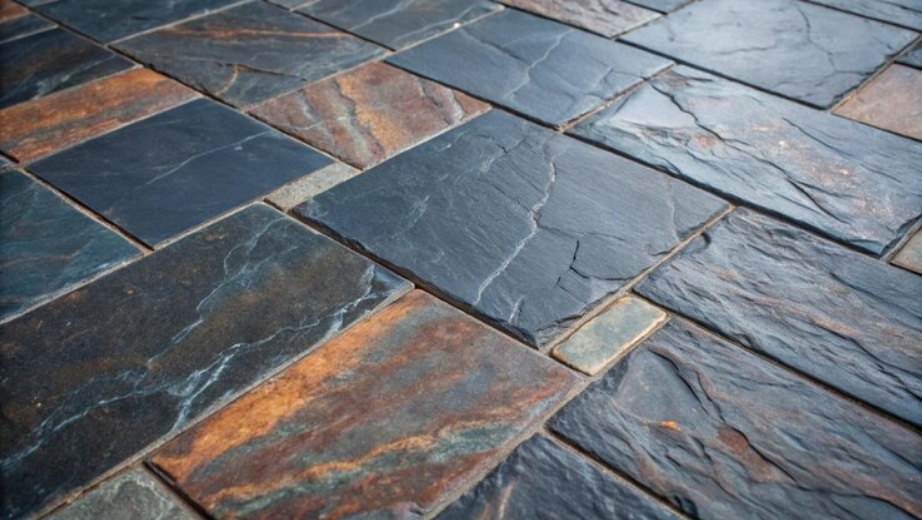
– Slate, which has a slightly textured surface and deeper shades

– Limestone, offering lighter tones that brighten rooms

– Granite, tough and polished, often chosen for kitchens

Each material brings its own feel to a space. For example, one Houston family used limestone mixed with slate to floor their dining and living rooms. The result was a quiet elegance with just enough contrast to feel interesting. It gave the home a welcoming vibe while still looking modern and clean.

With so many options, homeowners have the chance to make their floors feel personal and distinct. Stone tile brings more than function—it plays a key role in setting the tone of the whole home.

Low Maintenance And Easy Cleaning

A big reason people make the switch to stone flooring has to do with maintenance. Life in a busy home doesn’t leave much time for heavy floor care. With stone tile, the cleaning routine is easy to keep up with. It can handle spills, dropped items, and everyday messes without flinching.

Most of the time, a simple mop with warm water and mild soap will do the trick. Even without special tools or products, stone tile stays looking good. Once sealed, it resists most stains, which means messes don’t have time to sink in and cause lasting damage.

Another upside is that stone tile floors don’t grab onto allergens like carpet tends to. Dust, dander, and pollen can be wiped away quickly instead of getting trapped in fibers. That can make a big difference for people with allergies or asthma.

Other maintenance-friendly traits include:

– Scratch resistance from furniture, shoes, and pet claws

– Odor resistance, especially helpful in kitchens and bathrooms

– No need for polishing or refinishing every few years

– Solid surface that doesn’t rip or fade like other materials might

When your flooring doesn’t need babysitting, that leaves more time for enjoying the space. Homeowners often find that they spend more time cleaning other surfaces and less time fussing over the floors. Durable and simple, stone tile fits naturally into homes with packed schedules and a need for low-effort upkeep.

Staying Cool With Natural Temperature Control

Houston heat hangs around for much of the year. Summers stretch long, and even the spring and fall months can bring high temps. This puts a steady load on AC systems and indoor comfort. Stone tile naturally helps manage temperature by staying cool underfoot, even in the peak of August.

Unlike carpet or hardwood, stone doesn’t hold warmth the same way. It diffuses heat quickly, which helps rooms feel cooler on hot days. Bare feet in the hallway or kitchen can find welcome relief with stone flooring during Houston’s summers.

In rooms with large windows or lots of sun exposure, this cooling effect often stands out. It brings a real change to how a home feels throughout the day. It can also have an impact on energy costs, since cooler floors contribute to a more balanced indoor temperature. When heat isn’t being stored in the flooring, the AC system doesn’t have to work as hard to cool the rest of the house.

Think about these benefits when it comes to staying cool:

1. Stone tile remains cool in direct sunlight

2. Helps reduce load on AC systems throughout the summer

3. Adds comfort to warm spaces like kitchens and sunrooms

4. Pairs well with open-floor plans by spreading coolness evenly

This natural cooling quality makes stone tile a strong option for homes in Houston. It goes beyond looks and durability and starts to play a role in daily comfort.

Transform Your Houston Home With Stone Tile Flooring

Stone tile flooring brings a lot to the table. It’s reliable, easy to care for, and makes every room feel a little more refined. In Houston, where the heat and humidity can challenge other materials, it stands up day after day without losing its edge.

From its long life span to its natural cooling effect, stone tile covers a lot of the needs that homes in this region face. Even more, it looks great doing it. Whether the goal is boosting comfort, cutting back on maintenance, or upgrading style, stone tile delivers across the board.

For Houston homeowners ready to make a smart, lasting upgrade, stone tile flooring is a choice that keeps on giving.

Transform your home with the timeless beauty and practicality of stone tile. Whether you’re looking to beat the Houston heat with natural cooling or add to the charm of your interiors, stone tile delivers on all fronts. Learn more about Houston tile installation and how Wayne Carpet & Oak Flooring can help bring your vision to life with our wide selection of elegant stone tiles and expert guidance.

How to Choose the Perfect Carpet Style for Every Room in Your Home

Choosing the right carpet style for every room can make your home feel comfortable and cohesive. Carpet adds warmth and can soften the look and feel of your spaces. As you explore different flooring options, it can be helpful to consider the role that carpet plays not only in beautifying a room but also in enhancing its functionality. The soft, insulating properties of carpet make it an excellent choice for various living areas, from cozy bedrooms to active family rooms, offering a comfortable surface for everyone to enjoy.

Creating the right atmosphere in each room involves many elements, and carpet can be a big factor. With all sorts of styles, materials, and patterns to choose from, matching the right carpet to each room’s needs and overall look might seem overwhelming. But when you start with your home’s specific needs, the decision gets much easier.

Determine Your Needs

Before looking at specific carpet styles, it’s helpful to understand what each room actually needs from its flooring. This allows you to narrow down your options and select something that works both visually and practically.

1. Room Usage: Think about the purpose of each room. Is it a high-traffic hallway or a quiet guest room? Spaces like living rooms and stairs need something tough and long-lasting. Bedrooms and lounge areas might call for cozier, softer textures.

2. Who Uses the Room: Consider everyone in your household. Do you have young children who spend a lot of time playing on the floor? Pets that track in dirt or shed? Maybe both. In those cases, go for carpets that offer durability, stain resistance, and easy cleaning.

3. Design and Decor: Carpet should support the overall vibe of the space. Look at the room’s existing features like paint, furniture, and lighting. Choose colors and patterns that complement these elements rather than compete with them.

Once you keep all these points in mind, choosing a good-fitting carpet becomes a lot more manageable.

Different Types of Carpet Styles

Now that you’ve zoomed in on your room needs, it helps to understand the main types of carpet styles. Each one has its own strengths when it comes to comfort, wear, and appearance.

Plush carpet is often used in bedrooms. It’s dense, smooth, and soft underfoot — exactly what you’d want when stepping out of bed in the morning. Its even texture gives it a classic look, but it does tend to show vacuum lines and footprints more easily.

Berber carpet works well in areas that see a lot of activity. Made with looped fibers, it’s tough and holds its shape. It’s a reliable option for hallways, stairs, and busy family spaces. One Houston family with three kids chose Berber for their living room and said it handled years of heavy use without looking worn.

Frieze carpet is made up of long, twisted fibers that give it a more casual and textured look. It’s solid for playrooms, dens, or relaxed entertainment areas. The textured surface does a good job of masking footprints and crumbs, so it stays looking clean longer.

By learning the unique traits of each carpet type, it becomes easier to pick the right one for each space in your home.

Material Considerations

Aside from style, carpet materials also play a big part in choosing the best option for your space. Each material comes with its own pros, cons, and upkeep requirements.

– Wool: A natural fiber that feels soft, absorbs dye well, and adds a nice touch of luxury. Great comfort and durability, but it needs more care and has a higher price tag.

– Nylon: A go-to synthetic material known for strength and flexibility. It resists stains and can bounce back even after lots of foot traffic. Ideal for active households.

– Polyester: Offers bold color options and decent softness, often at a lower price point. Less durable than nylon but good for lower-traffic spots.

– Olefin (Polypropylene): Moisture-resistant and budget-friendly, making it a common pick for basement rooms or low-use spaces. Not as durable as other choices and has a rougher feel.

If you’re planning to install carpet throughout multiple rooms, you might want to use various materials. For instance, you could use polyester in a guest bedroom where traffic is light and nylon in the main hallway where traffic is constant.

Balancing comfort, longevity, and budget gives you the best long-term benefit when it comes to materials.

Color and Pattern Choices: What Works Best Where

A carpet’s color and pattern affect more than just how nice it looks. These choices can influence a space’s mood, brightness, and even how much cleaning it needs.

Light colors such as cream, light gray, or beige tend to brighten darker rooms and make small spaces feel more open. On the flip side, they show dirt more easily and need more attention to stay clean. Darker shades like deep browns, navy, and charcoal hide stains better and work well in high-use areas.

Patterns are your friend if you’re dealing with messes. Carpets with small patterns or slight color variations can help disguise daily dirt, pet hair, or snack crumbs. This can be especially helpful in family rooms, where life tends to be a bit more unpredictable.

When choosing color and pattern, think beyond just the floor. Consider wall colors, furniture, and natural light. If your room already has a lot going on, a solid-color carpet in a neutral tone may provide balance. If the room is fairly plain, a bolder color or soft pattern adds visual interest.

Finding What Fits Your Space

Choosing a carpet isn’t just about style; it’s about real-life function too. Every room in your home serves a different purpose and deserves a floor that helps support that. Whether it’s the durability needed for a hallway, the softness you’d want in a reading nook, or the easy-clean element necessary in a playroom, matching your carpet choice to your space gives you more comfort and fewer regrets in the long run.

When you’re clear about your household’s needs, understand your material choices, and pay attention to how carpet impacts the space visually, it becomes easier to feel confident that you’re making a smart investment. Getting the right carpet the first time will save you effort, money, and future headaches; all while making your home feel more like your own.

When you’re ready to take the next step, Wayne’s Carpet & Oak Flooring can help guide you through your choices for carpet flooring for residential spaces so you can feel confident you’re getting the right fit for your home, style, and daily life.