How to Address Water Damage on Your Stone Tiles in Houston

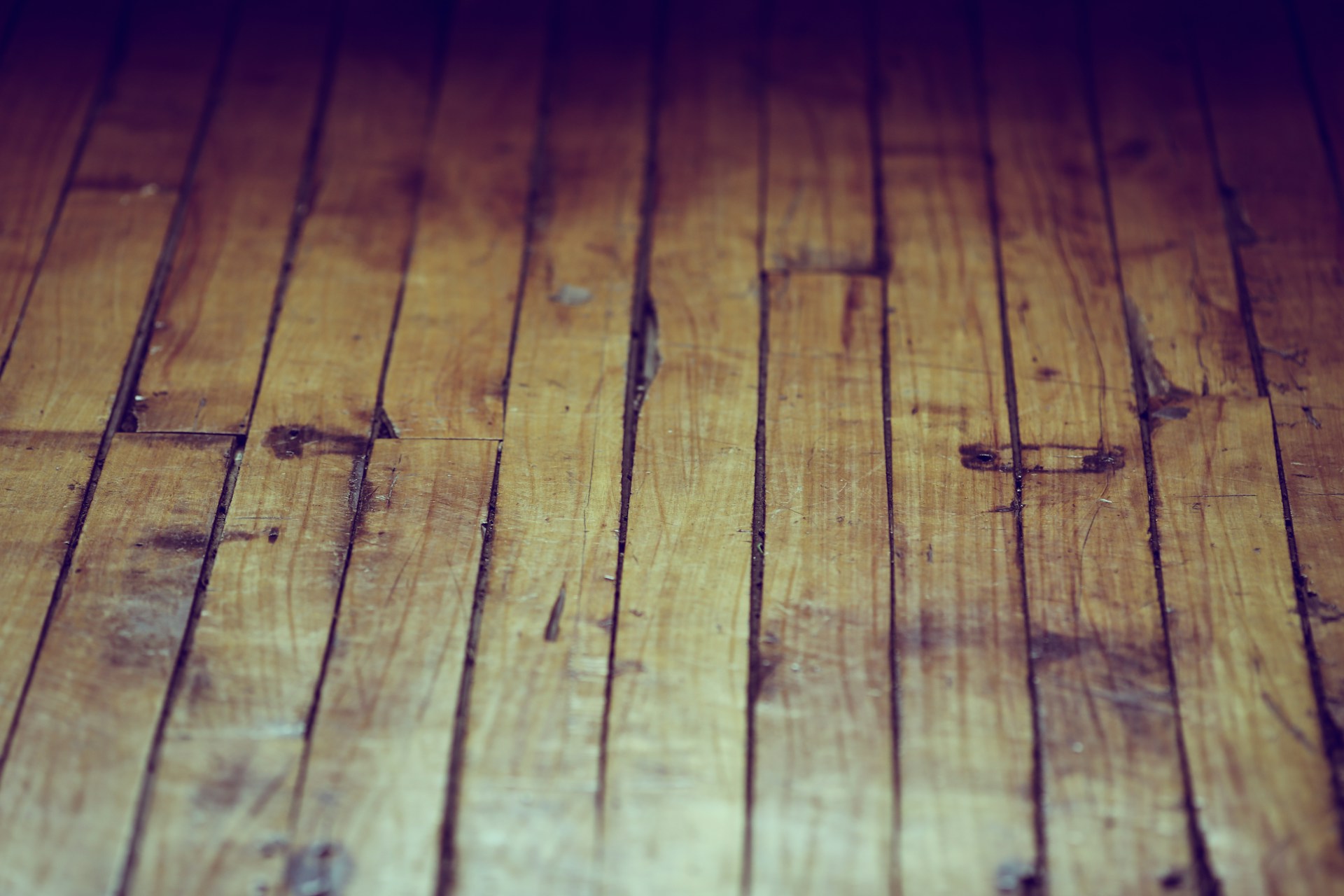
Stone tile has a classic look that holds up well in busy homes, but it can take a hit when exposed to water for long periods. Whether it’s from indoor leaks, flooding, or just regular humidity soaking in over time, water can leave behind damage that weakens the beauty and strength of your flooring. This is something homeowners often overlook until stains start to show or the surface feels off underfoot.

In a city like Houston, where weather often shifts between hot and muggy to wet and stormy, water damage becomes more common, especially with porous materials such as natural stone. Unlike ceramic or vinyl, stone absorbs moisture more easily, and if not treated right, that trapped moisture can lead to problems like mold, structural cracks, and permanent staining.

Identifying Water Damage on Stone Tiles

Sometimes the signs are easy to spot, like dark spots that won’t wipe off or cloudy film on the tile surface. Other times, water damage hides beneath the surface, especially after heavy rains or an unnoticed leak over time. Pay attention to any sudden changes in how your stone tile looks or feels.

Here are a few signs that your stone tiles might have water damage:

– Patches of discoloration that don’t go away even after cleaning

– A buildup of white, chalky residue that often forms from mineral deposits left behind by evaporated water

– Crumbling or soft grout between tiles that was once solid

– A musty odor in the room, which could suggest mold growing under the tile

– Loose or shifting tiles that used to feel secure

Houston’s high humidity makes this problem more likely. When moisture is in the air almost year-round, especially during hurricane season and throughout summer, stone floors are more vulnerable. If the sealant has worn down, moisture can seep through the pores of the tile and grout, leading to staining, cracking, and instability.

One example comes from a homeowner in Katy who noticed moldy grout lines just a few weeks after a particularly heavy rainstorm. Although the water only flooded their back patio briefly, enough moisture made it inside to start trouble on the indoor tile flooring. The stone hadn’t been resealed for years, allowing water to settle beneath the surface and cause damage that wasn’t immediately visible.

Low-lying homes or properties with poor drainage face even greater risk. Catching these signs early can save you from more expensive fixes later and help preserve the look and feel of your stone tile flooring.

Immediate Steps to Take When You Notice Water Damage

Once you recognize signs of water damage, it’s smart to act fast. Delaying can make things worse, especially when moisture stays trapped in the tile or grout. These quick, safe steps can help limit the damage before a professional steps in.

Start with these actions:

1. Dry the area as thoroughly as possible: Use clean towels or a wet/dry vacuum to remove standing water. Then set up fans or a dehumidifier to pull moisture out of the air and out of the tile.

2. Don’t scrub surfaces aggressively: It’s tempting to scrub away buildup, but this can drive water deeper into the tile or grout. Use a gentle cloth for surface cleaning.

3. Avoid harsh or bleach-based cleaners: These can damage natural stone and may not effectively reach mold hiding below the surface.

4. Use a pH-neutral cleaner designed for stone: That way, you clean safely without making the tile more porous.

5. Keep the space well-ventilated: Open windows or run the HVAC system to circulate air, which slows mold growth and helps dry out flooring faster.

Trying to solve a serious water issue with heavy-duty tools or chemicals can backfire. If a tile feels soft or starts to lift, it may no longer be secured to the subfloor. That signals a deeper issue that needs repair, not just surface cleanup. Quick, careful steps now can stop further damage and make future repairs more effective and less expensive.

Long-Term Solutions for Preventing Water Damage

After you’ve handled the immediate situation, long-term prevention should be your next goal. Especially in Houston, where heat and moisture are pretty constant, stone tiles need regular attention to stay in great shape.

Proper sealing is the foundation of protection. Natural stone is naturally porous, meaning it pulls in moisture unless there’s a sealant to block it. If your flooring hasn’t been sealed recently or the sealant shows signs of wear, moisture can go deep into the tile. A good way to check the seal is simple: sprinkle a few drops of water on the tile. If the drops soak in quickly, it’s time to reseal.

Keep up with sealant maintenance based on the type of stone and how much foot traffic the area gets. That usually means resealing every one to three years, but high-use areas might need it more often.

You can also build in daily and weekly habits to support your tile’s long-term health:

– Place rugs or mats near doorways, sinks, bathtubs, and other areas where water appears often

– Clean up spills fast, especially liquids that might stain or weaken the stone, like wine, coffee, or juice

– Sweep and mop regularly to prevent sharp debris from scratching the surface

– Turn on exhaust fans while cooking or showering to control indoor humidity

– Replace HVAC filters often to help your system manage indoor moisture more efficiently

Ventilation is key. Many homes in Houston trap moisture inside due to tight construction or insufficient airflow, especially when heavy rain keeps windows shut. Using a dehumidifier or adjusting your thermostat settings to circulate air even when not cooling can reduce trapped moisture significantly. Older homes might need added air circulation tools to get the same effect. With consistent care, your stone tile flooring will stand up better to the challenges of Houston’s weather.

Consulting Professionals for Major Repairs

In some cases, water damage sinks deeper than what you can see or feel. While surface signs might fade with drying and safe cleaning, unseen moisture beneath the tile can lead to mold, long-term stains, or weakened areas that eventually crack. That’s why professional evaluation is so important once you suspect major issues.

Flooring professionals know how to spot hidden damage by carefully lifting and inspecting affected pieces. They can figure out where the water went, how it got in, and whether deeper structures like the subfloor or underlayment need repair. This keeps the job focused and saves time and money by avoiding unnecessary replacement.

Professionals can also reset or replace damaged tiles to match your current floor, which helps preserve the overall appearance. This is harder to do on your own, especially with natural stone, which can be tough to cut and match without special tools and experience.

If the underlying barrier or membrane beneath your stone tile has failed, patching won’t be enough. Full section replacement may be necessary to prevent repeat problems. In those cases, you don’t want to wait until tiles shift or stains become permanent. Getting a skilled professional involved lets you stop the damage now and avoid more disruption later.

A good sign it’s time to call for help is if parts of your flooring feel uneven, tiles have started popping loose, or mold smells stick around no matter how much you clean. These are warning signs that go beyond surface-level fixes.

Tips to Keep Stone Floors Looking Good Year-Round

Taking care of stone tile in Houston often means staying one step ahead of weather changes. Rainy stretches, tropical storms, and muggy summers throw a lot at your flooring. But with the right approach, you can limit the risk of water damage and enjoy the look of natural stone for years to come.

Start with strong basics. Seal your flooring regularly, monitor indoor humidity, and clean gently with products meant for stone surfaces. Build smart habits into your weekly routine to keep the floor dry and free of moisture traps. These small things add up to lasting protection.

The more proactive your care, the fewer major issues you’ll run into. Even something as simple as running the fan after a long shower or tossing down a mat at the back door can make a difference. Keep an eye on how the tile feels, check grout lines for signs of wear, and pay attention to new stains or smells.

Clean, dry stone tiles are a great look in any Houston home. With solid maintenance and the right steps when damage shows up, your flooring will hold up through seasons of use and weather without losing its appeal. Acting early and working with professionals when needed helps stop problems before they grow and keeps your home looking its best.

With Houston’s ever-shifting weather, keeping your floors in top shape can be a challenge. If you’re considering an upgrade or need expert advice on maintaining your stone floors, explore our wide range of tile flooring in Houston. At Wayne Carpet & Oak Flooring, we’re ready to help you find the right solutions for the city’s unique climate. Reach out today to see how our team can assist you in keeping your floors both beautiful and resilient.

Solutions for High-Traffic Areas in Commercial Spaces in Houston

High-traffic zones in commercial spaces deal with more than just the typical daily wear. Think about the beating those floors take—heavy foot traffic, weather tracked in from outside, spills, dirt, and sometimes even rolling carts or equipment. Whether it’s a busy office in downtown Houston or a retail store in Katy, the entrance, hallways, lobby, and even break rooms all need floors that can handle the daily grind without showing too much of it. These spaces don’t get a break, and neither should the floors beneath them.

That’s why choosing the right flooring matters. It’s not just about how it looks, but how it holds up, how easy it is to clean, and how often it needs to be replaced. Flooring in these areas has to do a big job—it needs to look good, last longer, and stay safe under constant use. The wrong material can lead to more repairs, more costs, and more downtime. The right one can help keep things running smoothly, while keeping the space looking professional day in and day out.

Identifying High-Traffic Areas In Your Commercial Space

Before picking the right flooring, you’ve got to know where the pressure points are. In most commercial spaces, the same spots take the hit every day. These are places where employees, customers, or clients pass through repeatedly and where flooring often wears out the fastest. The three common high-traffic areas in nearly every commercial building are:

1. Entrances

2. Hallways

3. Lobbies and shared seating areas

These spots see the most activity and also the most debris. Dirt, moisture, and scratches usually start here. If you’re in Houston or Katy, the changing local weather brings humidity, rain, and heat—all of which affect flooring materials over time. Summer storms can lead to wet shoes tracking in moisture, while hotter months can dry some flooring types out faster, causing cracks or separation.

The impact of daily traffic isn’t just limited to physical wear. It also affects how clean the space looks. Even if everything else is tidy, scuffed or damaged floors can give a bad first impression. For example, a scratched tile in the lobby tells people that upkeep might be slipping, even if that’s not true.

Being strategic is key. Figure out which areas take the most punishment. These are the zones where you’ll want stronger materials, extra protection, and more frequent care. Even within the same building, different areas call for different types of flooring. An office hallway doesn’t need the same material as a retail store entrance, so think zone by zone.

Best Flooring Options For High-Traffic Areas

The good news is, you’re not stuck with just one or two choices. Commercial-grade flooring comes in quite a few options these days, each with different benefits. The goal is to keep things functional while making sure it looks good and can stand up to regular wear.

Here are some solid picks worth considering:

– Commercial Carpet: This isn’t the soft, residential kind. Commercial versions are built with low piles and tight weaves to handle lots of movement. It holds up well in offices, especially in areas where people are walking but not dragging equipment or furniture. It’s also quieter than harder flooring, which can help cut down on echo in open layouts. Make sure to pick a color and pattern that hide dirt well.

– Tile Flooring: Porcelain or ceramic tile works hard in high-traffic zones. It’s tough, easy to clean, and handles moisture better than a lot of materials. Great for entrances or bathrooms. One thing to note: if installed poorly, tiles can crack or lift at the edges. Choose a tile with some texture to lower the chance of slips, especially in wetter areas.

– Vinyl Flooring: Luxury vinyl planks or tiles are becoming a top choice for commercial spaces, mostly because they’re tough without being hard underfoot. They resist scratches, repel moisture, and clean up quickly. Plus, they’re versatile in style. You can get the look of stone or wood without dealing with the upkeep that real versions demand.

When picking the right option, think about how much traffic the area gets, how often the space needs cleaning, and whether standing water or debris are frequent issues. The right flooring will match those needs without causing extra stress for your team or maintenance schedule.

Maintenance Tips For High-Traffic Flooring

Once the flooring is installed in commercial spots that see a lot of foot traffic, keeping it in good shape is the next priority. Maintenance doesn’t have to be complicated, but it does have to be consistent. The right care will extend the life of the floors and help avoid sections that look worn out before their time.

Start with a cleaning routine that matches the space. For example, in a Houston office with a good amount of daily traffic, a light cleaning at the end of each workday can go a long way. Heavy sweeping or vacuuming gets rid of dirt and grit that can break down the surface layer. In places with carpets, especially in entryways, you may want to rotate deep cleans more often to prevent ongoing soil buildup.

Adding protective measures helps too. Here are some simple things that can make a big difference:

1. Place entrance mats inside and outside every door to catch dirt, moisture, and debris before it spreads.

2. Use runners along main paths in hallways or reception areas to reduce direct wear on the flooring.

3. Set up chair pads under office desks to protect high-use zones from constant movement.

4. Quickly wipe up spills, especially near food prep areas or break rooms, to avoid staining and moisture seeping into flooring seams.

5. Check and replace any damaged or worn coverings to avoid them becoming tripping hazards.

Spot cleaning is easy to put off, but catching a mess early means less chance of long-term damage. Whether it’s a coffee spill, tracked-in rain from a spring storm, or a grease mark near the kitchen area, cleaning it fast will protect both appearance and structure.

If you’re working with multiple flooring types across the building, keep a list of cleaning recommendations for each. What works well for vinyl might not fit tile or commercial carpet. Keeping that info handy for your cleaning crew, whether in-house or contracted, can prevent using products that strip finish or cause surface damage.

Enhancing Aesthetic Appeal And Functionality

Function always matters when choosing floors for high-traffic areas, but appearance plays a part too. You don’t want the space to look run-down just because it’s busy. Picking the right color and pattern can mask signs of wear and tear without making the area feel dark or dated.

Neutral tones tend to work best. Medium shades of gray, brown, or taupe don’t show dirt as easily as light or very dark colors. Patterns that have slight variation like speckles, textures, or subtle veining also help disguise scuffs and stains. These work especially well in spots like shared hallways, small lobbies, or entrance areas in Houston where mud and rain can get tracked in.

It’s just as important to look at how that flooring fits the use of the room. For example, a dental practice in Houston might need something that looks clean and sterile. Vinyl or porcelain tile might be best. On the other hand, a bank or a law office might prefer something warmer like commercial carpet tiles to create a quieter, more comfortable space.

Some materials let you blend both design and function. High-quality vinyl tiles now mimic wood planks or natural stone, which creates a high-end look without the upkeep. Others come in a range of styles and finishes that let you combine a modern color scheme with heavy-duty durability.

Think about lighting too. Shiny floors might reflect bright indoor light and highlight scuff marks, while a matte finish keeps a lower profile. Planning both the look and the use of the space together helps ensure the floor works well day to day while keeping a professional feel over the long term.

Smart Choices Today Mean Better Floors Tomorrow

When it comes down to it, the way commercial floors in high-traffic areas hold up depends on three things: using the right material, protecting it from early damage, and sticking to a consistent maintenance routine.

Get clear on which areas get the most foot traffic and what kind of beating the floors will take. That helps narrow down your flooring options. Whether you’re leaning toward commercial carpet, tile, or vinyl, the material has to work as hard as the people moving through the space. Entryways, halls, and waiting areas often need something stronger than offices or private meeting rooms.

Back it up with the right cleaning habits and surface protection. Good mats and runners can handle more abuse than the floor itself. Spill cleanup and regular check-ins prevent small damage from turning into full replacements. Don’t forget the visuals. Pick a look that hides daily wear without making the room feel heavy or dated.

Houston’s seasonal shifts make these decisions even more important. Heat, humidity, and rain impact materials differently, whether you’re dealing with tile grout, seams in luxury vinyl, or backed commercial carpet tiles. Staying one step ahead keeps floors looking great and performing well for years without constant replacements or surprise repairs.

Putting in the effort to match material with usage, appearance with function, and routine with long-term needs helps flooring perform through every season. Making smart choices upfront—and keeping up with them—saves time and cost while keeping your commercial space clean, safe, and inviting.

For business spaces, the right flooring adds both functionality and style, especially in a busy metro like Houston. Keeping your floors fresh, clean, and easy to maintain can make a big difference in how your space feels to customers and employees alike. Explore reliable options for commercial carpet in Houston that combine durability with design. At Wayne Carpet & Oak Flooring, we’re ready to help you create a space that works as hard as you do.

Best Flooring Options for Houston Homes With Pets

Living in Houston with pets brings its fair share of muddy pawprints, fur tumbleweeds, and the occasional accident. Any homeowner who’s raised a dog or cat can tell you that the type of flooring in your home makes a big difference. Some floors are easier to keep clean, while others are quick to stain or scratch. With Houston’s humidity and your pet’s playful energy combined, choosing the right flooring isn’t just about looks. It’s about keeping your home livable and low-stress.

Not all floors are made to handle pet traffic, especially in a home that juggles muddy yard play with indoor lounging. Pet nails can scuff or claw through some surfaces. Accidents can soak into others and never fully come out. Hair can build up fast, and when a floor holds on to odors or stains, it starts to affect the vibe of the whole house. Picking the right floor means your pet can be comfortable, and your home stays clean and polished without too much effort.

Durable Flooring Options For Homes With Pets

There’s no one-size-fits-all when it comes to pet-friendly flooring. Each home is different, and pets have their own personalities and habits. Still, some materials are more forgiving and better suited to busy, pet-filled households. Here’s a breakdown of three smart choices that work well in Houston homes:

1. Tile Flooring

Porcelain and natural stone tiles are a safe bet for pets. They are dense, durable, and tough enough to handle claws and messes. They won’t dent under pressure, and cleanup usually takes just a mop or a quick wipe. In a humid place like Houston, tile also resists warping and won’t trap smells the way some softer materials might. One thing to watch out for is slipperiness. Some tiles can be slick, so choosing options with textured surfaces can make it easier for pets to move around.

2. Vinyl Flooring

Luxury vinyl has become a go-to option for pet owners. It’s waterproof, scratch-resistant, and has more give underfoot compared to tile. It works well in homes where pets may track in water or have the occasional accident. You can also find vinyl that looks like wood or stone, making it a good pick for homeowners who want style without the extra upkeep. It handles high foot traffic, the scratching of claws, and Houston’s indoor-outdoor living style. It also tends to be one of the more budget-friendly choices out there.

3. Laminate Flooring

Laminate is another solid choice when you’re searching for flooring that can keep up with pets. It offers a surface that resists dents and scratches and is usually easy to clean. That said, it doesn’t handle moisture as well as vinyl or tile. Some newer laminates come with coatings that help with water resistance, but spills or accidents should still be cleaned up right away. Houston’s humidity can wear down lower-quality laminates, so go for ones that are well made and tightly sealed. Pet owners appreciate laminate’s toughness and the fact that it’s less likely to trap fur.

Each of these materials gives homeowners a balance of durability and design. Whether your pets are still in the chewing stage or simply lounging near windows, these floors stand up well to busy days at home.

Choosing Pet-Friendly Carpeting

Carpet may not be the first thing that comes to mind when you think of pets, but with the right type, it can still work. Carpet offers warmth and softness underfoot, and the right choice can help reduce noise and offer traction for pets who struggle on slick surfaces.

The best picks for pet-friendly carpet options are low-pile and cut-pile styles. These tend to trap less hair and are easier to vacuum. Look for carpet that has a tight weave and a built-in stain-resistant treatment. Patterned or darker carpets also have an edge, since they’re better at hiding stains and fur between cleanings.

Keeping your carpet clean with pets around takes a bit of planning, but the right habits can help:

– Vacuum regularly, especially in areas where your pet lounges or plays.

– Clean up accidents right away to avoid permanent stains or smells.

– Use area rugs in entryways or around food and water bowls.

– Trim your pet’s nails to reduce snags or pulled carpet fibers.

For older pets or ones with mobility issues, carpet can be very helpful. It gives them better grip, is easier on joints, and provides a soft place to rest.

Wood And Engineered Hardwood In Pet Homes

Wood floors have a timeless look that many homeowners love, and with pets, it’s still possible to enjoy that look if you plan carefully. Solid hardwood can be easily scratched or dented by heavy claws or rowdy play. Engineered hardwood might be a better option for homes in Houston. It looks like traditional hardwood but is made in layers, which makes it more stable in humid environments.

Some wood species are naturally harder than others and hold up better to wear. Choosing a matte or satin finish is also smart because it helps disguise minor scuffs and fur. Lighter-colored floors won’t show scratches and hair as easily as darker tones.

To keep wood or engineered flooring looking good with pets around, try these tips:

– Use rugs or runners in hallways and high-traffic areas.

– Wipe up spills or pet messes quickly to prevent moisture damage.

– Keep pets’ nails trimmed so they don’t scratch the finish.

– Add padding under furniture to prevent movement during play.

The main tradeoff with wood is that it requires a bit more upkeep. But many homeowners feel that the classic look and value it adds to a space are worth the extra effort.

Maintaining Your Floors With Pets

Once your flooring is in place, the right maintenance steps can help keep everything looking fresh even with your pets living their best lives indoors. Small habits go a long way in protecting your surfaces and avoiding long-term damage.

Routine cleaning can make a major difference:

– Sweep or use a vacuum several times a week to tackle fur, grit, and dirt.

– Keep a clean towel near the door to dry off paws before pets come back inside.

– Treat accidents immediately to prevent lingering stains or odors.

– Choose rugs that can be tossed in the washer for easier upkeep.

– Consider a robot vacuum designed for pet hair if shedding is heavy.

Setting a few floor-friendly routines will build a cleaner home environment and help extend the life of your flooring. Whether it’s placing absorbent mats in strategic spots or giving your pets regular grooming, the little things add up.

Choosing Floors Both You And Your Pets Will Love

Having pets doesn’t mean you have to sacrifice good-looking, long-lasting flooring. Whether you lean toward wood, prefer tile, or love the quiet of carpet, there are plenty of great choices that suit both your home and your animals.

Think about how your pets move through your space, how much cleanup you’re up for, and what styles you enjoy. If your dog loves backyard zoomies or your cat sees every shelf as a jungle gym, your floors need to be able to keep up. The right flooring helps you avoid stress and spend more time enjoying your home alongside your pets.

Choosing floors that work for your lifestyle makes everyday upkeep easier and keeps your house looking fresh year-round. Living in Houston means dealing with humidity and tracking in bits of nature, but with planning and the right materials, your flooring can stay attractive and pet-ready for years to come.

Finding the perfect flooring for your pet-friendly home doesn’t have to be a challenge. Whether you’re drawn to the durability of tile or the soft comfort of carpet, your choices can keep your home looking great while catering to your furry friends. If you’re exploring new options, take a look at what a trusted Houston flooring company can offer. At Wayne Carpet & Oak Flooring, we provide diverse solutions to suit your lifestyle and keep your space pet-friendly and beautiful.

What to Do When Your Hardwood Floors Start Cupping in Houston

Hardwood floors add a lot of character to homes across Houston. They have a clean, classic look that feels welcoming, especially with all the humidity and temperature shifts Houston gets year-round. But when those beautiful wood planks start to rise at the edges or feel uneven underfoot, it’s usually a sign of cupping. And once that starts, homeowners often feel unsure about what to do next.

Cupping doesn’t mean the floor is ruined, but the sooner it’s handled, the better. Whether it’s happening in a cozy home in the Heights or a place closer to Katy, local weather plays a big part. Knowing why it’s happening will put you back in control, because ignoring it allows the problem to grow, and that can lead to more floor damage or even higher repair costs down the line.

Understanding Hardwood Floor Cupping

Hardwood floor cupping shows up when the edges of a plank rise higher than the center. It makes the planks look like they’re forming a shallow bowl. You can spot it just by running your hand across the floor or noticing how the surface no longer looks flat. A floor that felt smooth last month might suddenly feel bumpy or uneven under your socks.

Here are a few reasons this happens:

– Moisture imbalance: This is the number one cause. When moisture gets into the bottom side of the wood more than the top, it starts to swell unevenly.

– High humidity levels: Houston often swings between muggy and dry air. When the air inside your home gets humid, your wood floors pull that moisture in.

– Water spills or leaks: A slow drip from your fridge, AC, or dishwasher can seep under flooring without being noticed.

– Improper installation: Planks placed too tightly or without enough time to get used to the room’s environment can end up moving more than they should once they settle in.

The tricky thing is that cupping usually doesn’t happen overnight. It creeps in over a few weeks, sometimes months. So even if the wood looks a little off but doesn’t feel too different yet, it’s smart to have someone take a close look. Letting it sit could lead to warping or permanent damage to the boards.

Factors Contributing To Cupping In Houston

Houston has a climate that keeps floors on their toes. One week it’s dry and sunny, the next it’s soaking wet with a storm rolling in. This kind of back-and-forth takes a toll on wood flooring. What makes cupping more likely here is that much of the moisture change comes from the environment, and unless your HVAC system runs consistently year-round, your floors might be riding the same rollercoaster.

Common Houston-specific triggers include:

– Fluctuating humidity: Fall in Houston brings some cooler air, but humidity still lingers. When outdoor air seeps into your home, your flooring notices.

– Flood-prone areas: Even if your home didn’t flood, high water around the property can raise indoor humidity quickly.

– Stormy seasons: Heavy rain and tropical systems can sneak in moisture through windows, door cracks, or foundations. Once that moisture gets beneath the floor, cupping often follows.

Here’s a quick example. A homeowner in the Memorial area had wood flooring installed in late summer. Everything seemed fine until November when water from yard drainage seeped under the foundation during a storm. Although no water entered the living spaces, the boards began to cup about two weeks later. That’s a pretty common path for moisture to cause problems, and it doesn’t take a full flood to set it off.

Knowing how local weather impacts your home helps when it comes to spotting flooring issues faster. Keep an eye out, especially during the wettest times of the year, and be ready to deal with indoor climate swings anytime Houston’s forecast changes.

Immediate Steps to Take When Cupping Occurs

If you notice your hardwood floors starting to cup, the first thing to do is stay calm. Cupping doesn’t always mean the floor has to be ripped out. Taking a few smart steps right away can lower the chances of it getting worse.

Start by figuring out how bad it is. Look across the surface in the light or run your hand across to check how dramatic the curve is. If it’s minor and fairly recent, it may flatten out over time once you manage the environment.

Here are immediate steps to try:

1. Check for leaks. Inspect nearby appliances, walls, ceilings, and baseboards. If water is leaking or seeping through anywhere, that’ll need to be fixed first.

2. Ventilate the area. Open doors and windows when the weather’s dry outside. Try running fans around the area to keep air moving.

3. Balance the indoor moisture. A dehumidifier works well, especially in rooms without good air flow. It helps pull moisture from the air and bring things closer to normal.

4. Run your HVAC system. Keeping a steady indoor temperature and humidity level helps reduce floor movement. Avoid turning the system on and off too often.

While some minor floor cupping can settle over time, it’s not something to wait months to address. If the inside air is already dry but your boards remain raised or feel worse, they’re likely hanging onto moisture trapped underneath. That’s when professional help becomes the next smart move. Trying to sand cupped boards or force them into shape too early can make the problem worse.

Long-Term Solutions And Prevention

Once you’ve handled the first signs of cupping, it’s smart to look ahead and do what you can to keep it from happening again. Houston’s moisture-heavy climate isn’t going anywhere, so long-term strategies really matter.

It all starts with how your floors are installed. Wood needs time to adjust to the indoor environment before it’s nailed or glued down. Flooring professionals allow the planks to sit for several days in the room to get used to the temperature and humidity. Skipping this step can lead to problems like swelling and gaps later on.

Here are other long-term tips to help prevent cupping in the future:

1. Use floor finishes or sealants that block out moisture from the top and bottom of flooring planks.

2. Add moisture barriers underneath floors, especially if you’re installing over a concrete slab.

3. Keep gutters and drains around your home clear to lower the risk of moisture getting under the foundation.

4. Stick to a regular cleaning routine using products made for hardwood floors. Avoid soaking the floors, even during deep cleans.

5. Monitor the humidity indoors. Keeping it between 30 to 50 percent throughout the year helps stop the wood from expanding and shrinking too much.

Picture a family in Bellaire who had hardwood installed in their open living area. The space stayed cool in the summer but would swing in humidity during the fall when the AC wasn’t running as much. After installing a small whole-home humidifier and sealing the edges of the windows and external doors better, they saw way fewer issues. Their floors stayed smooth even through the next storm season.

The main thing is to make your flooring environment stable. Temperature swings happen, but moisture doesn’t have to follow. When you have fewer ups and downs inside your home, your floors can stay flat, even, and good-looking for years.

What It Takes to Keep Your Floors Smooth

Living in Houston means learning to work with, not against, the weather. Hardwood floors are a beautiful choice, but they need the right care to stay that way. Cupping is a common issue, especially during the wetter times of year, but it can be kept under control with attention and timely action.

Managing airflow, watching out for leaks, and knowing when to call in help are all part of keeping your home’s interior just the way you want it. A small shift in a few boards doesn’t need to turn into a big project if it’s caught early. And even if it does require a bigger fix, it’s better to deal with it before it spreads.

Taking care of your floors is one way of taking care of your whole home. When the base feels right, everything built on top of it feels better too. Hardwood can last a long time, and with the right steps, it’ll keep its shape and beauty despite whatever Houston’s weather has planned next.

With the humidity and unique climate challenges in Houston, keeping your hardwood floors in good shape takes a little extra care. If you’re starting to see signs of wear or considering a flooring upgrade, take a look at our hardwood flooring in Houston for options that are built to last and look great year-round. At Wayne Carpet & Oak Flooring, we’re here to help your floors stay strong, stylish, and ready for whatever the weather brings.

Professional Solutions for Uneven Subfloors in Houston Properties

An even, stable subfloor is the starting point for any flooring that’s built to last. Whether you’re considering hardwood, carpet, or tile, the layers underneath matter just as much as the surface you see. When subfloors aren’t level or show signs of shifting, everything on top becomes harder to maintain and less comfortable underfoot. Over time, that can mean loose floorboards, squeaks, and surfaces that don’t look or feel right.

In Houston, uneven subfloors are more common than many homeowners realize. This city’s unique combination of clay-heavy soil, fluctuating humidity, and unpredictable storms can lead to shifting foundations and moisture issues. If your home feels a little off when you walk through the living room or there’s a room where furniture never seems to sit flat, the subfloor could be telling you something.

Identifying Uneven Subfloors Inside Your Home

It’s one thing to suspect an uneven surface, but knowing how to spot the signs early can help prevent bigger problems down the road. Not every issue is obvious at first glance, especially when the rest of the flooring looks fine on the surface. But certain clues tend to pop up once the problem gets a little worse, especially in areas you walk across often.

Here are a few symptoms that may point to an uneven subfloor:

– Floors feel like they dip or rise when walking through certain parts of the home

– Creaking or cracking sounds that happen more in some rooms than others

– Gaps between the edge of your flooring and the baseboards

– Doors that drag across the floor or don’t seem to shut right anymore

– Tiles or wood planks separated or lifting near the joints

– Furniture that wobbles easily, even when placed on what appears to be a flat spot

Living rooms, hallways, and entryways usually show problems fastest since they get the most use. It’s easy to think these sounds or shifts are just part of an aging home, but they often come from below the flooring. A subfloor that’s uneven or settling irregularly can cause layers above it to move, loosen, or warp.

Steve and Maria, a couple in North Houston, noticed one hallway in their home made a consistent popping sound every time someone walked down it. After ignoring it for months, they finally took a closer look after one tile cracked completely. Turns out, the subfloor underneath had started sagging near the center, something that could have been caught earlier with a quick inspection.

If you’re noticing these kinds of small changes in your floors or doors, don’t brush them off. They could be signs of subfloor issues that, if left untreated, may lead to more time-consuming repairs later.

Common Causes of Uneven Subfloors in Houston Homes

Homes in Houston deal with some tough environmental changes, and these take a toll on floors over time. The ground here is mostly clay, which expands when it’s wet and shrinks when dry. That back-and-forth can make foundations move and cause shifts throughout a house, especially under the floors.

Heat and moisture don’t make it any easier. During the summer, humidity levels can make wood-based materials swell. When winter hits and the air dries out, that same material can shrink and shift, pulling parts of your subfloor in different directions. This isn’t always visible in the beginning, but over time, it starts to change how flooring feels underfoot.

Some of the most common triggers for uneven subfloors in Houston include:

– Fluctuating humidity and temperature changes affecting joints and materials

– Homes naturally settling over the years, creating dips or slopes in certain spots

– Poor construction practices during the original build or past renovations

– Water leaks from appliances, pipes, or roof issues leading to soft, weak spots

– Foundation problems caused by shifting soil or long-term moisture saturation

Flooding is another big one. Houston’s weather can turn quickly, and when storm runoff seeps into a crawl space or slab foundation, it weakens support beams and causes materials to rot or pull apart. Even smaller leaks from an old washing machine or hot water heater can slowly damage the subfloor beneath if left unnoticed.

Identifying what’s causing your subfloor to act up is the first step. A proper inspection doesn’t just show where things are uneven. It shows why. Addressing the root of the issue gives you a permanent fix, not just a temporary patch. That makes your next flooring investment a lot more worthwhile.

Professional Repair Methods for Uneven Subfloors

Not every flooring issue calls for the same fix, especially with subfloors. Once problems are spotted, the next step is figuring out what kind of repair method works best. Flooring contractors in Houston start by inspecting the space, looking for trouble spots that might not be obvious just by walking across the floor. With the range of issues that can pop up around this city from water damage to soft joists professionals have to look at the full picture before choosing a method.

Some jobs may only need small adjustments. Others call for leveling out entire sections. Here are some of the most common repair options used by flooring pros:

– Shimming: When a floor has minor dips or low spots, shims thin, solid pieces of wood or other material can be inserted between the joists and subfloor. This makes the surface more even without replacing big sections.

– Self-Leveling Compounds: These are poured over uneven subfloors and fill in dips, creating a smooth, flat base as they spread and set. This is a smart solution for areas with multiple low spots but no major damage.

– Joist Sistering: This involves attaching new joists alongside the existing ones when the original supports are weak, warped, or damaged. It gives extra strength and helps even out sagging sections.

– Removing and Replacing Sections: If part of the subfloor is too far gone like one that’s rotted from long-term water exposure it may need to be cut out entirely and swapped with new panels to restore stability.

Each method has its time and place, depending on how bad the damage is and what type of flooring is planned on top. A good contractor will explain what’s needed and why, so nothing gets missed or covered up just to rush a finish. Skipping this step can cause even brand-new floors to fail earlier than they should.

Why Hire Skilled Flooring Contractors in Houston

Subfloor work is often more complex than it looks. At first glance, the problem might just seem like a squeaky board or slight slope, but lifting the flooring usually reveals bigger problems underneath. That’s where professionals make a real difference not just in spotting what’s obvious, but in finding the causes that aren’t so easy to see.

Contractors with real knowledge of Houston homes know how the soil, weather, and build style affect subfloors across different neighborhoods. Older homes in certain areas may be more prone to one type of shift than newer construction. Homes built on slab might show different symptoms than those on pier and beam frames. That means the solution has to match not just the problem but also the home’s layout.

Here’s why hiring a contractor to fix subfloor issues makes the most sense:

– They bring the right tools and materials for the job

– Repairs are done to last, not just for looks or short-term fixes

– Safety standards are followed, reducing risk of future damage

– They understand local conditions that affect homes long-term

– Flooring is installed over a solid, secure base once repairs are completed

A contractor’s experience saves time and lowers the possibility of needing the work redone. With uneven subfloors, gaps in the work can make issues come back quickly, usually within months. That means more money spent and a lot more hassle. Working with someone who layers timing, materials, and technique can give back peace of mind.

How To Get Your Home Ready

If uneven subfloors are already on your radar, prepping your space ahead of time can streamline the repair and installation process. Doing a couple of small steps before the crew arrives helps cut down delays and gives professionals the clean slate they need to work efficiently.

Here’s what homeowners in Houston can do to prepare:

1. Clear the room: Move as much furniture as possible so flooring professionals can access the entire area. If removing large items isn’t an option, talk to the team about which sections need to be open.

2. Remove old flooring if instructed: Most contractors will handle this if the job includes it. But if you’re removing flooring yourself, be careful when pulling up old material. Don’t damage what’s underneath, especially if the subfloor is soft or damaged.

3. Check and manage moisture levels: Make sure there are no active water leaks or signs of standing moisture. Humidifiers, dehumidifiers, or AC units can help bring indoor humidity back to normal levels before the work starts.

4. Make other areas accessible: During installation or repairs, professionals may need to reach crawl spaces or breaker panels. Make sure these are unlocked and clear.

Even though these tasks are simple, they make a big difference. Something as basic as keeping the AC running consistently the day before can keep materials dry and easier to work with.

Your Home Deserves a Strong Foundation

Problems with subfloors aren’t something to ignore. Over time, they turn into bigger issues that affect not just your flooring, but the comfort and safety of your home. Catching these signs early and getting them handled by someone who knows how Houston homes are built can make all the difference in the quality of the repair.

Floors are one of the most used parts of the home, and a solid subfloor is the foundation that keeps it all together. Whether the problem is soft spots from a slow leak or uneven slopes from years of settling, there’s always a proper fix. Once that base is solid again, anything installed over it not only looks better but lasts longer too.

For homeowners dealing with uneven subfloors in Houston, professional assistance can make all the difference in ensuring your flooring investment holds up over time. At Wayne Carpet & Oak Flooring, our flooring contractors in Houston are ready to address subfloor issues with practical solutions that fit your home’s layout and needs. Count on us to create a smooth, long-lasting foundation that supports comfort and durability throughout your space.

Preventing Gaps in Your Vinyl Plank Flooring Installation in Houston

Vinyl plank flooring has become a go-to choice for many homeowners in Houston. It’s tough, looks great, and holds up well in busy spaces. But there’s one thing that can ruin the finish—gaps. These spaces between planks don’t just look bad. They can cause dirt buildup, make cleaning harder, and eventually lead to bigger issues with your floor over time.

With temperatures in Houston jumping between hot and humid in late summer to cooler conditions in the early fall, the way your vinyl plank floor reacts to the environment can really matter. Gaps usually show up when something doesn’t go quite right during installation, or when floors experience a shift from outdoor weather to indoor conditions too quickly. Understanding what causes this and how to stop it before it starts can help keep your flooring smooth and solid for the long haul.

Understanding The Causes Of Gaps In Vinyl Plank Flooring

Gaps often show up when vinyl planks expand and contract more than they should. One of the most common causes of this in Houston is a quick shift in humidity or temperature. Floors that are installed while it’s damp or hot may change shape when the cool, dry air from fall AC usage kicks in. Over time, these small movements can create small spacing between the planks.

Houston’s weather is known for its mood swings. One day your AC is on full blast, and the next, the humidity is back. Floors installed without planning for those swings are more likely to move. Even if the vinyl planks are high quality, the environment still plays a big part.

Another issue happens below the surface. If the subfloor isn’t flat or stable, it can cause the planks to shift. Gaps tend to form when:

1. The subfloor dips or rises in certain spots

2. The floors are installed before they’ve adjusted to indoor temps

3. Moisture is left on the concrete or wood base

4. The planks are laid without leaving just enough room around the edges for climate changes

Let’s say you install flooring on a humid summer day with the windows open. Everything feels fine at first. But once your AC cools the home and pulls out the moisture, the planks shrink just slightly. Before you know it, fine gaps start to show—especially near walls, corners, or seams.

All of these issues can be reduced or avoided with the right prep work during installation, which brings us to our next point.

Preparing Your Subfloor For Installation

Letting vinyl plank flooring sit on an unprepped surface is like icing a cake before it’s baked. The surface underneath matters more than you might think. Making sure it’s ready can change how well your floors look and last.

Start with a full walk-through of the area. Move your furniture out, check the floor for soft spots or odd bumps, and listen carefully when you walk across it. Creaks or hollow noises usually mean the floor underneath isn’t tight or even. Before new flooring goes in, the subfloor needs attention.

Here’s what a good prep checklist should cover:

1. Clear and dry the area – The space has to be clean and free of debris. Dust, old glue, or leftover staples can all mess with the appearance and performance of your flooring.

2. Check for flatness – Uneven areas of more than 1/8 inch over a 6-foot span should be leveled out with repair compounds. A level and straight edge tool can help spot low points.

3. Control moisture – In Houston, summer humidity can hide moisture under your floors. A moisture barrier might be needed when installing over concrete. Skipping this step can lead to warping later.

4. Secure loose spots – If your subfloor creaks or moves, it needs extra nails or screws. If it’s damp or damaged, replace that section before starting anything else.

5. Let it adjust – Don’t skip the step of acclimating the vinyl planks to the room’s temperature. Let the boxes sit indoors for at least 48 hours before installation so they can get used to the space.

Spending more time upfront can help prevent annoying repairs down the road. Whether you’re working with new construction or replacing old floors, the prep work can easily make the difference between a smooth install and a stressful one.

Installation Techniques To Minimize Gaps

A smooth vinyl plank floor starts long before the first board is locked in place. One of the most common mistakes leading to gaps is skipping proper acclimation. Vinyl planks need time to adjust to the inside temperature of your home. If they’re stored in a garage, truck, or shed, they take on the temperature and humidity of that space. Installing them cold and dry into a warmer, humid room might seem harmless, but over the next few days, those planks can subtly shift and leave you staring at tiny seams.

Let the boxes sit in the space for at least 48 hours with the HVAC running. That helps the material settle and match the room conditions before anything is installed. Keeping the planks indoors—preferably stacked flat and away from windows or vents—lets them breathe and shift naturally so they don’t surprise you later.

During installation, how the planks are placed makes a difference too. Here are a few smart steps to keep gaps from showing up:

– Leave a small gap around the wall edges: This isn’t a flaw, it’s on purpose. Giving the materials room to expand and contract keeps pressure off the center areas.

– Set spacers properly: Uniform expansion spaces help avoid buckling and can keep planks from pulling away over time.

– Check every row: As you lock down each new strip, make sure it’s tight and flush with the last one. A small misalignment early on spreads across the entire room.

– Stagger the seams: Offset rows help keep the flooring tight and give it more strength. Uniform seams lead to weak spots that are easier to pull apart.

– Work from the center: Starting from the middle of the space and working out lets the planks settle more evenly and helps avoid endpoint gaps.

Every detail adds up when it comes to keeping things gap-free. A well-installed floor not only looks better right away, but it also holds up better once Houston’s next heat wave rolls through.

Maintaining Your Vinyl Plank Flooring

Once the floor is in, your job isn’t done. Maintenance plays a big role in keeping vinyl plank flooring looking sharp and holding together well. The biggest thing to watch for in Houston is humidity swings. When it’s humid, moisture seeps into more places. When it’s dry, materials shrink slightly. This push and pull causes many of the issues that turn into gaps—and it often happens without any warning.

To handle that, try to keep the air indoors as steady as possible. Using your HVAC system to maintain moderate humidity goes a long way. If your home tends to stay too moist during warmer months, a dehumidifier might help balance things out. On the flip side, if your floors feel too dry in cooler weather, a humidifier can add just enough moisture to keep them from contracting too much.

Along with that, regular inspections help catch problems early. Every few weeks, take a quick walk around to look for lifted corners, small seams, or shifting. Pay special attention to high-traffic areas, hallways, and corners. Light creaks can also give you clues that a plank isn’t flat against the subfloor anymore. Catching it early could mean a simple repair instead of a full replacement down the road.

And keep things clean. Dirt buildup or small debris lands in exposed seams and makes them spread wider over time. A quick sweep with a soft broom or dust mop each week helps keep the floor tight and in good shape.

Keeping Your Floors Seamless In Houston’s Climate

Houston’s weather changes fast, and that can be tough on your floors. With vinyl plank flooring, staying ahead of those shifts makes all the difference. Gaps don’t appear out of nowhere. They’re the result of small movements caused by temperature, moisture, and how the floor was installed from the beginning.

Give your vinyl planks time to adjust before laying them down. Never rush past prepping the subfloor properly. When fall hits Houston and the indoor AC meets cooler outside air, that extra prep keeps your floor where it should be.

Ongoing maintenance matters just as much. Keep indoor humidity consistent, check for movement, and stick to simple cleaning habits. When you respect how vinyl reacts to Houston’s climate and treat it right from day one, you’re more likely to enjoy gap-free flooring that stays put for years.

For residents looking to maintain a sleek and durable floor in Houston’s shifting climate, choosing the right installation methods and materials makes all the difference. If you’re considering vinyl plank flooring in Houston, Wayne Carpet & Oak Flooring offers reliable solutions that help your floors stay gap-free and comfortable year-round.

How Weather Changes Affect Your Carpet Installation in Houston

Carpet installation seems simple until the weather starts playing games with your timeline and materials. In Houston, where the climate can change quickly, it’s not uncommon for flooring installs to hit unexpected bumps. Summer heat, random downpours, or even high indoor humidity can mess with your plans. Before you know it, what should’ve been a smooth process turns into a mess of buckled corners, soft spots, or stretched seams.

If you’re planning to get new carpet in your Houston home, timing matters. The temperature outside, the moisture in the air, and even how fast your air conditioning is running can all affect how well your new flooring holds up. This breakdown walks through how our weather can interfere with carpet installation and what you can do to work with the climate, not against it.

Understanding Houston’s Climate

Houston weather doesn’t always make things easy. You might wake up to a steamy, sunny morning and then be hit with a sudden downpour by lunchtime. That back-and-forth between heat and moisture puts stress on all parts of your home, including your floors. Carpet reacts more than most people think, especially during months when humidity hangs in the air.

From early spring through fall, the weather here is hot and often muggy. Afternoon storms aren’t rare, and indoor air systems work overtime to keep things comfortable. That can cause your subfloor to shift slightly or trap moisture under the carpet if you’re not careful. Winter might be milder, but the cool, damp days can bring their own set of challenges during installation, especially when it comes to drying time for any adhesive products.

These changes happen fast. For example, say you plan to install carpet during a dry week in September, but a cold front swings through and drops the humidity overnight. That kind of shift might not seem like a big deal, but for carpet installers, it can completely change how materials behave on the job. Glue doesn’t bond the same way. Carpet padding might absorb moisture. Even the fibers themselves can lift or wrinkle if laid in the wrong conditions.

Thinking about Houston’s wild weather isn’t over-planning. It’s practical preparation for real problems we see in homes all the time. When you’re working with something permanent like flooring, it’s worth doing right the first time.

How Humidity Affects Carpet Installation

Humidity isn’t just sticky—it can actually cause problems underneath your carpet once installed. When moisture hangs in the air, it seeps down into corners, padding, and even the tack strips along your floor’s edges. That moisture buildup can weaken adhesives, invite mold, and cause your carpet to stretch out or shift over time.

Here’s how high humidity can make a mess of your carpet installation:

– Carpet backing may soften, making it harder to lay flat or secure cleanly

– Glue and adhesives might not dry correctly, affecting hold strength

– Padding can absorb moisture, which can lead to a soft, sponge-like feel or mildew

– Edge seams become harder to bond, leaving loose sections that can cause trip hazards

To get around this, the room should be kept dry and cool around installation time. Running your AC for a few hours before and after installation helps stabilize indoor moisture. It also helps to schedule the work for days with lower outdoor humidity, usually mid to late fall. Avoid the peak summer days if you can, especially if your home doesn’t circulate air very well.

It’s also a good move to keep carpet materials indoors for at least 24 hours before installation. This helps it adjust to the temperature and humidity inside your home, which means it’s less likely to move or react after it’s installed.

Being mindful of humidity during carpet installation can keep your floors tighter, smoother, and looking good much longer. It’s one of those invisible problems that only shows up a few months later, when seams pull or edges curl. Better to plan ahead while you’ve still got the chance to get it right.

Dealing With Seasonal Temperature Fluctuations

Houston’s weather doesn’t always follow the rules. One week, it’s hot and sunny. The next, cooler air rolls in and throws everything off. These changes don’t just affect what you wear. They can affect your carpet, too. When the temperature rises, materials expand. When it drops, they contract. This is especially true for carpet fibers and the layers beneath them.

When you install new carpet during a time of extreme temperature swings, you might notice ripples showing up days or even weeks later. That’s because the materials are trying to adjust to the new environment, and they often don’t bounce back the way you’d expect. Glue might harden too quickly or not at all. The edge seams can also lose their grip if they were laid down when indoor conditions were too different from outdoor ones.

Temperature also affects the working time of adhesive. If it sets too fast during a hot afternoon, there’s little room for correcting misalignments. On cold mornings, it might stay soft too long, causing delays or inconsistent bonding.

To limit these problems:

– Try to install your carpet when temps stay within a steady range indoors (usually comfortable room temperature)

– Avoid scheduling installs immediately after a strong cold front or heatwave unless your home has fully stabilized

– Keep windows and doors closed before and after installation to maintain a steady indoor temperature

Small steps like keeping your thermostat steady for a few days before and after the job can make all the difference. Think of it like prepping for painting. You want steady air and temperature to get the best results.

Tips For Planning Houston Carpet Installation Around Weather

Carpet installation doesn’t have to be stressful. With a few good habits and some smart timing, you can avoid a lot of the issues tied to weather here in Houston.

Here are a few helpful pointers:

1. Pick a calmer time of year: Mild fall months, like late September or October, are great because temperatures don’t fluctuate as much and humidity tends to be lower. Summer and early spring can work too, but you’ll want to be extra careful with inside conditions.

2. Give your home time to adjust: Turn on your AC or heat well before installation begins. Leave it running to give your floors time to stabilize. This helps the carpet settle better and stay put after being laid.

3. Clear and prep the room: Before any carpet arrives, move all furniture and clean the surface well. Make sure moisture isn’t sitting on the subfloor. This speeds up the job and reduces the chances of anything being trapped under your carpet.

4. Communicate openly with your installers: If the weather suddenly changes or something feels off at home, like humidity spikes or AC problems, say something. Things like this can impact the end result, and it’s always better to pause the work than to redo it later.

Getting your home ready the right way may feel like extra work, but it pays off in how your carpet looks and lasts.

What You Can Do to Keep Your Carpet Looking Great

Houston’s climate isn’t going to change anytime soon, but how you prepare for it can. A little foresight goes a long way. Whether it’s fighting the effects of humidity or working around big temperature swings, understanding how weather hits your home can save you from carpet problems down the line.

The good news is, most weather-related issues can be avoided with smart planning and help from professionals who know what they’re looking for. Choosing the right timing for your installation, conditioning your space beforehand, and asking questions when unsure can all make for a smoother experience and a much better end result.

Don’t let the weather throw off your plans. With the right steps, you can enjoy a carpet that looks just as good months later as it did on day one. Taking weather into account might seem small now, but it makes all the difference when it comes to comfort and durability.

If you want to avoid the pitfalls of unpredictable weather during your next carpet installation, we’ve got the expertise you need. Discover more about Houston carpet installation and how Wayne Carpet & Oak Flooring can help ensure your floors are weather-ready and look great year-round.

Why Some Carpet Installations Develop Bubbles and Wrinkles in Houston Homes

It’s frustrating to spend time and money on new carpet only to see strange bumps or folds forming within a few weeks or months. If you’re noticing these bubbles or wrinkles in your carpet, you’re not alone. Many homeowners in Houston face this issue, and it usually doesn’t have anything to do with how much they paid or how careful they were right after installation.

Houston’s heat, coastal humidity, and shifting foundations can cause more wear and tear on carpet than in other regions. But it’s not just about the environment. Often, the root of the problem starts with how the carpet was installed in the first place. If the right steps aren’t followed or if corners get cut, that carpet can quickly become more of a headache than an improvement.

Common Causes Of Carpet Bubbles And Wrinkles

Not all carpet installations are created equal. Even when the same materials are used, mistakes during setup or overlooking regional factors can lead to problems down the line. In Houston, a place known for steamy summers and air conditioning running non-stop, a few unique issues can pop up more frequently than in other cities.

Here are some common reasons carpet might develop bubbles or wrinkles in Houston homes:

– Poor installation technique: If the carpet isn’t stretched tightly using a power stretcher, it will eventually loosen and ripple. Kickers alone don’t cut it in larger rooms or high-traffic areas.

– Humidity in the home: Houston’s humidity can lead to excess expansion and contraction of carpet backing and padding. That moisture in the air makes the carpet more likely to shift or buckle over time.

– Low-quality or wrong underlay: Padding might seem like a minor detail, but it’s a big part of carpet performance. Cheap or too-soft padding doesn’t support the carpet properly and can create uneven areas that lead to folding.

– Heavy furniture movement: Dragging heavy items across newly installed carpet can stretch or pull it out of place. This doesn’t always cause a problem right away, but over time it creates areas of tension that wrinkle.

– Fast temperature changes: Cranking the AC during a hot summer afternoon might bring comfort, but it can wreak havoc on newly installed flooring materials that haven’t had time to settle in.

Here’s one example: a homeowner in a midtown Houston neighborhood had plush carpet installed during the summer. But the crew didn’t use a power stretcher, and the padding was thinner than recommended. Within a month, wrinkles showed up right in the center of the living room, not ideal when guests are coming over for a gathering.

Humidity, installation shortcuts, and wrong base layers all add up. If these things aren’t addressed during the first install, they’re almost guaranteed to cause problems within a very short time. Taking extra care upfront is the only way to avoid dealing with bubbling carpets just months into what should be a years-long upgrade.

Preventative Measures During Installation

Getting ahead of carpet problems starts long before anyone starts laying it down. A solid installation plan and the right tools can make a huge difference in how that carpet will look and last over time. Homes in Houston need extra care because of the heat, moisture, and how often AC systems work to fight both.

The installation team should always use a power stretcher, especially in rooms larger than a small bedroom. This tool pulls the carpet tight from wall to wall so it stays secure even as people walk over it and temperatures shift. Tack strips should also be installed properly around the perimeter of each room to lock the stretched carpet in place.

The type of padding might not be visible once the carpet goes down, but it plays a huge role in how it performs. Padding that’s too thick can trap moisture, and padding that’s too soft won’t hold the carpet in place. High-quality padding that matches the carpet material and room type helps reduce movement and supports the flooring evenly.

Here’s what to look out for during the installation:

1. Confirm the team is using a power stretcher and not just a knee kicker

2. Request padding that is firm, breathable, and compatible with the carpet type

3. Make sure seams are properly sealed to avoid future separation

4. Allow the carpet to adjust to interior temperatures before installation

5. Avoid scheduling furniture delivery or big events immediately after install

Installers should also consider how the space is used. A room with sliding glass doors or near the entryway will have more foot traffic and temperature swings. That needs to be factored into material choices and layout decisions. Cutting corners during installation might seem quicker, but it often comes with the hassle of early repair needs.

How To Fix Existing Carpet Bubbles And Wrinkles

If wrinkles or bubbles are already there, the goal is to stop them from getting worse and fix the damage before it spreads. The longer carpet stays loose, the more likely it is to pull away from tack strips or wear thin in raised areas.

Sometimes, you may be able to gently smooth out a small bubble by pressing it down and shifting the carpet toward the nearest wall. This doesn’t fix the problem but gives you a temporary way to minimize the bulge.

For a long-term fix, professional re-stretching is usually required. During re-stretching, the carpet is pulled tight again using a power stretcher, then reattached to the tack strips. If this service is done right, it should eliminate almost all signs of rippling or sag.

A few things to expect during this kind of fix:

1. The room will likely need to be cleared of furniture

2. Carpet may need to be lifted at the edges and trims removed

3. Seams might be reheated and bonded again for a cleaner finish

4. Padding may be replaced if it’s damaged or contributing to the issue

In some cases, if there’s too much wear or the original carpet wasn’t the right match for the room, replacement might be a better choice than repair. But if the carpet quality is still good and there aren’t stains or patchy wear, stretching is a much faster and more cost-effective option.

Acting early helps prevent deeper damage. Loose carpet can quickly lead to stress along seams or damage the backing, which is tougher to fix. Plus, nobody wants to trip over ripples in their living room or hallway.

Keeping Your Carpets Smooth and Aesthetic

Carpet can look amazing and feel great underfoot when it’s installed with care. But when the wrong tools or steps are used, it starts to show. Wrinkles and bubbles aren’t just ugly, they’re also a sign that something underneath isn’t right.

For homeowners in Houston, the local climate means higher chances of moisture-related problems and rapid shifts in temperature. Add in furniture use and daily traffic, and carpeting has its work cut out. That’s why installation needs to be more than just fast and convenient. It has to be handled with skill, planning, and the right materials from the start.

Taking the time to stretch properly, pick suitable padding, and work with floors that are clean and dry means fewer problems later. And if carpet starts to ripple down the line, calling in pros for re-stretching can help extend its life while keeping your home safe and sharp-looking.

If you’re dealing with bubbles, wrinkles, or loose spots in your carpet, it’s time to get help from professionals who understand what works best in Houston homes. Wayne Carpet & Oak Flooring offers expert carpet installation in Houston designed to handle the area’s unique climate challenges and keep your flooring looking its best for years to come.

Signs Your Commercial Space Needs New Carpet Installation in Katy

Carpet isn’t just something your feet touch. It’s part of how a commercial space looks, feels, and functions every day. Over time, even the most durable carpet starts to show signs of age. In places with steady foot traffic like offices, retail stores, or medical facilities, that wear becomes noticeable faster than you might expect. If the flooring in your building isn’t holding up, it can take a toll on comfort, safety, and how your business is perceived.

In Katy, where business growth is steady and appearances matter, clean, presentable floors can make a big difference. Clients, tenants, and employees notice small things like stains or frayed seams. These details can leave lasting impressions. Learning how to spot the most common signs of aging carpet can help you stay ahead. The goal is to catch issues early and act before they lead to more serious problems.

Signs of Wear and Tear

Every carpet comes with a lifespan, and over time, heavy use will start to show. Most of the early signs pop up in areas that get the most foot traffic—entryways, hallways, waiting areas, and break rooms. These spaces are where you’ll usually spot the first problems.

Some clear signs that your commercial carpet is wearing out include:

– Fraying around seams or edges

– Loose threads or noticeable tears

– Thin, flattened areas where padding no longer supports foot traffic

– Faded coloring that makes the design or patterns hard to see

For example, if the carpet at your entrance looks completely different from your conference room carpet, that contrast is a signal. One Katy business noticed their welcome area had completely flattened just around the receptionist desk while the edges of the room still looked vibrant. That uneven wear was their cue for a carpet upgrade.

Beyond looking old, worn sections can start to become trip hazards. Loose edges, tears, or lumpy padding make it easy for someone to misstep. Furniture and equipment also become harder to move smoothly. If your flooring starts affecting the flow of work or the safety of your space, it’s likely time for a replacement.

Persistent Stains and Odors

Routine cleanings go a long way, but no carpet lasts forever. Over time, certain stains settle so deeply into the fibers and padding that even commercial-grade cleaning can’t pull them out. If the same mark keeps showing up after shampooing or steam cleaning, it’s probably permanent.

Common culprits include:

– Drinks like coffee, soda, and wine

– Cleaning chemicals that have bleached or damaged fibers

– Grease or oil from maintenance work

– Mud or dirt tracked in during rainy days

Another problem is odors that stick around. A carpet that traps moisture, allergens, or bacteria beneath the surface tends to give off a musty or sour smell. If your office smells stale right after the AC kicks on or even after you’ve cleaned the floors, the padding might be to blame.

More signs it’s time to replace:

– Lingering smells that don’t resolve even with deep cleaning

– Dirty-looking areas that won’t lift despite multiple treatments

– A general feeling of stuffiness that won’t go away

Guests, clients, and even staff members form opinions quickly. That moment when someone opens the door and smells something unpleasant can influence their impression of your business. Replacing old carpet not only improves appearance but can also refresh the entire atmosphere.

Health and Safety Concerns

Old carpet is more than an eyesore. Over time, it turns into a trap for dust, allergens, and even mold. Regular vacuuming can’t always reach the particles that get ground deep into the fibers. This trapped debris tends to affect air quality, which becomes a concern in commercial environments where people spend all day indoors.

If you start noticing that more staff members are sneezing, have itchy eyes, or seem to be developing allergy-like symptoms at work, your carpet could be playing a role. Moisture buildup creates a perfect spot for mold to grow, even if it’s not visible. A musty smell coming from a clean room might be your first clue.

Worn-out carpet may also:

– Hide mold growth in the padding

– Lead to respiratory irritation

– Contain allergens that keep circulating through your space

And let’s not overlook physical safety. Rippling carpet, lifted edges, or soft spots where the backing is coming loose present tripping risks. In busy work environments, especially those open to the public, slipping or falling because of old flooring is a legitimate concern. If your floors don’t feel even or safe, it’s time to get them checked.

Replacing your carpet can fix more than just stains. It can support a healthier space, reduce safety risks, and help your business meet any required building codes or safety standards.

Impact on Aesthetics and Business Image

People walk into your space and take mental notes, whether they mean to or not. The condition of your carpet may seem small, but it quietly reflects how seriously you take maintenance and presentation. If your flooring is dated, frayed, or dirty, people might assume that same lack of care carries over to other parts of your business.

Depending on your line of work, these subtle signs could impact your bottom line. A law office might lose trust, a retail store might feel less inviting, or a consultation room might seem unprofessional. Even in staff-only areas, old flooring can make employees feel like their environment doesn’t matter.

Watch out for these visual signals:

– Faded color that no longer matches your branding

– Ripples or wrinkled surfaces that break up clean lines

– Edges that don’t sit flat and catch on carts or shoes

– Rugs or mats being used all the time to cover up stains

Swapping out worn flooring can change how visitors and employees feel about the space. New carpeting offers more than a cleaner look. It can reduce noise, brighten dim areas, and even create more visual harmony in your office layout. Think of it as an upgrade, not just a repair.

Refresh Your Commercial Space With New Carpet

Deciding to replace your commercial carpet might feel like a big project, but it often brings a bigger payoff. Once the signs of wear become obvious—fraying edges, set-in stains, lingering smells, or increased allergy complaints—it usually makes more sense to look toward replacement than to keep spending on repeated cleanings.

For businesses in Katy, where growth and presentation go hand in hand, your flooring can play a big part in supporting your day-to-day success. Whether your workplace welcomes dozens of visitors or just your team each day, how your space looks and feels matters. Updated, quality carpeting can add the polish you’ve been missing and improve the experience for everyone who walks in.

With professional carpet installation, your refreshed flooring won’t just hide old problems. It’ll improve air quality, boost your visual appeal, and simplify regular upkeep. And best of all, it can help you make a better first impression without changing anything more than what’s underfoot.

To keep your Katy business looking professional and inviting, it’s important to replace worn-out flooring before it starts hurting your company’s image or daily flow. Take the next step toward a cleaner, more polished workplace by exploring our options for commercial carpet installation in Katy. Wayne Carpet & Oak Flooring is ready to help you refresh your space with quality and care.

Top 5 Benefits of Stone Tile Flooring for Your Houston Property

Stone tile flooring has become a popular choice among homeowners looking for something stylish, practical, and long-lasting. It brings natural texture and color into a space without requiring the intense upkeep that some other options need. With its strong materials and unique appearance, stone tile suits a wide range of design tastes and home setups.

In Houston, flooring faces extra challenges due to the city’s weather and seasonal shifts. Hot summers, sudden rainstorms, and humidity all take a toll over time. Stone tile holds up against this kind of wear in ways that softer or synthetic flooring materials often can’t. That’s one of the reasons it works particularly well for homes across Houston, offering a mix of beauty and reliability.

Durability And Longevity

Home flooring should last through years of foot traffic, spills, and shifting indoor conditions. Stone tile makes this possible thanks to its solid, natural makeup. It doesn’t peel or bubble up like laminate and can’t be scratched easily like some vinyl options. That makes it a smart choice for busy households, especially those with pets, kids, or regular visitors coming and going.

In Houston, moisture is always something to keep in mind. Seasonally heavy rains and tropical storms can increase the chance of indoor humidity. That moisture can warp or damage certain materials over time. But stone tiles like granite, slate, and travertine stay stable. They don’t expand, crack, or soak in water the way other flooring types might. That’s a big plus for spaces like kitchens, hallways, laundry rooms, or basements where moisture exposure is more likely.

Because of their strength, these tiles also tend to last a long time. When placed professionally and sealed properly, most types of stone tile can last for decades. That makes replacement far less frequent and gives homeowners real peace of mind.

Here’s how stone tile flooring handles daily life in Houston:

1. Resists dents and chips where other floors would give way

2. Keeps its form through seasonal humidity swings

3. Withstands heavy use in high-traffic areas

4. Maintains its condition with little to no change over the years

One local homeowner in Houston chose travertine floors after growing frustrated with shrinking and peeling planks. Years later, their stone floor still looks almost new, with no signs of damage even after thousands of steps across it. That’s the kind of long-haul performance stone flooring can offer.

Aesthetic Appeal

Looks matter, especially in living spaces where people gather, relax, and spend time. Stone tile adds a natural touch that feels both clean and comfortable. Its variations in tone, texture, and veining make it stand apart from processed materials. No two pieces are exactly alike, and that’s part of the appeal.

Houston homes come in many shapes and styles—from cozy bungalows to modern builds. Stone tile works well in each because there’s such a wide variety to choose from. Whether you’re designing an upscale kitchen or a cool outdoor patio, there’s likely a type of natural stone that fits the look.

Some popular choices for Houston homeowners include:

– Marble, known for its high-end look and smooth finish

– Travertine, with warm, earthy tones perfect for casual spaces

– Slate, which has a slightly textured surface and deeper shades

– Limestone, offering lighter tones that brighten rooms

– Granite, tough and polished, often chosen for kitchens

Each material brings its own feel to a space. For example, one Houston family used limestone mixed with slate to floor their dining and living rooms. The result was a quiet elegance with just enough contrast to feel interesting. It gave the home a welcoming vibe while still looking modern and clean.

With so many options, homeowners have the chance to make their floors feel personal and distinct. Stone tile brings more than function—it plays a key role in setting the tone of the whole home.

Low Maintenance And Easy Cleaning

A big reason people make the switch to stone flooring has to do with maintenance. Life in a busy home doesn’t leave much time for heavy floor care. With stone tile, the cleaning routine is easy to keep up with. It can handle spills, dropped items, and everyday messes without flinching.

Most of the time, a simple mop with warm water and mild soap will do the trick. Even without special tools or products, stone tile stays looking good. Once sealed, it resists most stains, which means messes don’t have time to sink in and cause lasting damage.

Another upside is that stone tile floors don’t grab onto allergens like carpet tends to. Dust, dander, and pollen can be wiped away quickly instead of getting trapped in fibers. That can make a big difference for people with allergies or asthma.

Other maintenance-friendly traits include:

– Scratch resistance from furniture, shoes, and pet claws

– Odor resistance, especially helpful in kitchens and bathrooms

– No need for polishing or refinishing every few years

– Solid surface that doesn’t rip or fade like other materials might

When your flooring doesn’t need babysitting, that leaves more time for enjoying the space. Homeowners often find that they spend more time cleaning other surfaces and less time fussing over the floors. Durable and simple, stone tile fits naturally into homes with packed schedules and a need for low-effort upkeep.

Staying Cool With Natural Temperature Control

Houston heat hangs around for much of the year. Summers stretch long, and even the spring and fall months can bring high temps. This puts a steady load on AC systems and indoor comfort. Stone tile naturally helps manage temperature by staying cool underfoot, even in the peak of August.

Unlike carpet or hardwood, stone doesn’t hold warmth the same way. It diffuses heat quickly, which helps rooms feel cooler on hot days. Bare feet in the hallway or kitchen can find welcome relief with stone flooring during Houston’s summers.

In rooms with large windows or lots of sun exposure, this cooling effect often stands out. It brings a real change to how a home feels throughout the day. It can also have an impact on energy costs, since cooler floors contribute to a more balanced indoor temperature. When heat isn’t being stored in the flooring, the AC system doesn’t have to work as hard to cool the rest of the house.

Think about these benefits when it comes to staying cool:

1. Stone tile remains cool in direct sunlight

2. Helps reduce load on AC systems throughout the summer

3. Adds comfort to warm spaces like kitchens and sunrooms

4. Pairs well with open-floor plans by spreading coolness evenly

This natural cooling quality makes stone tile a strong option for homes in Houston. It goes beyond looks and durability and starts to play a role in daily comfort.

Transform Your Houston Home With Stone Tile Flooring

Stone tile flooring brings a lot to the table. It’s reliable, easy to care for, and makes every room feel a little more refined. In Houston, where the heat and humidity can challenge other materials, it stands up day after day without losing its edge.

From its long life span to its natural cooling effect, stone tile covers a lot of the needs that homes in this region face. Even more, it looks great doing it. Whether the goal is boosting comfort, cutting back on maintenance, or upgrading style, stone tile delivers across the board.

For Houston homeowners ready to make a smart, lasting upgrade, stone tile flooring is a choice that keeps on giving.

Transform your home with the timeless beauty and practicality of stone tile. Whether you’re looking to beat the Houston heat with natural cooling or add to the charm of your interiors, stone tile delivers on all fronts. Learn more about Houston tile installation and how Wayne Carpet & Oak Flooring can help bring your vision to life with our wide selection of elegant stone tiles and expert guidance.